

One of the most common confusions in the steel industry and metal fabrication sector is the use of the term “galvanized steel“. The mere mention of “galvanized coating” in a project specification opens the door to major errors in practice. Because there are two basic methods commonly known as “galvanizing” in the market: Hot Dip Galvanized and Electro Galvanized.
Both methods use zinc to protect the steel, but that’s where their similarities end. One is a metallurgical “transformation”, the other is merely a cosmetic “cover”. The wrong choice can cause an outdoor structure to rust in 6 months, while the right choice provides 50 years of protection.
In this comprehensive technical guide, Hot Dip Galvanizing and Electro Galvanizing molecular differences between them, their corrosion resistance, cost analysis and which method is suitable for which project in the light of TS EN ISO 1461 and ISO 2081 standards.
Basic Definitions: How the Processes Work
To understand the differences, one must first look at the chemistry of the process.
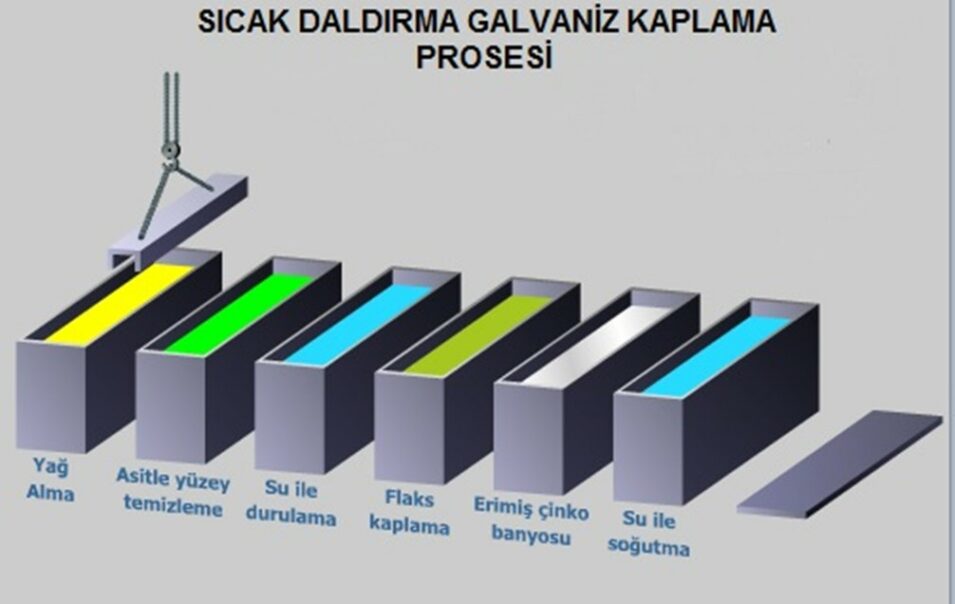
What is Hot Dip Galvanizing (HDG)?
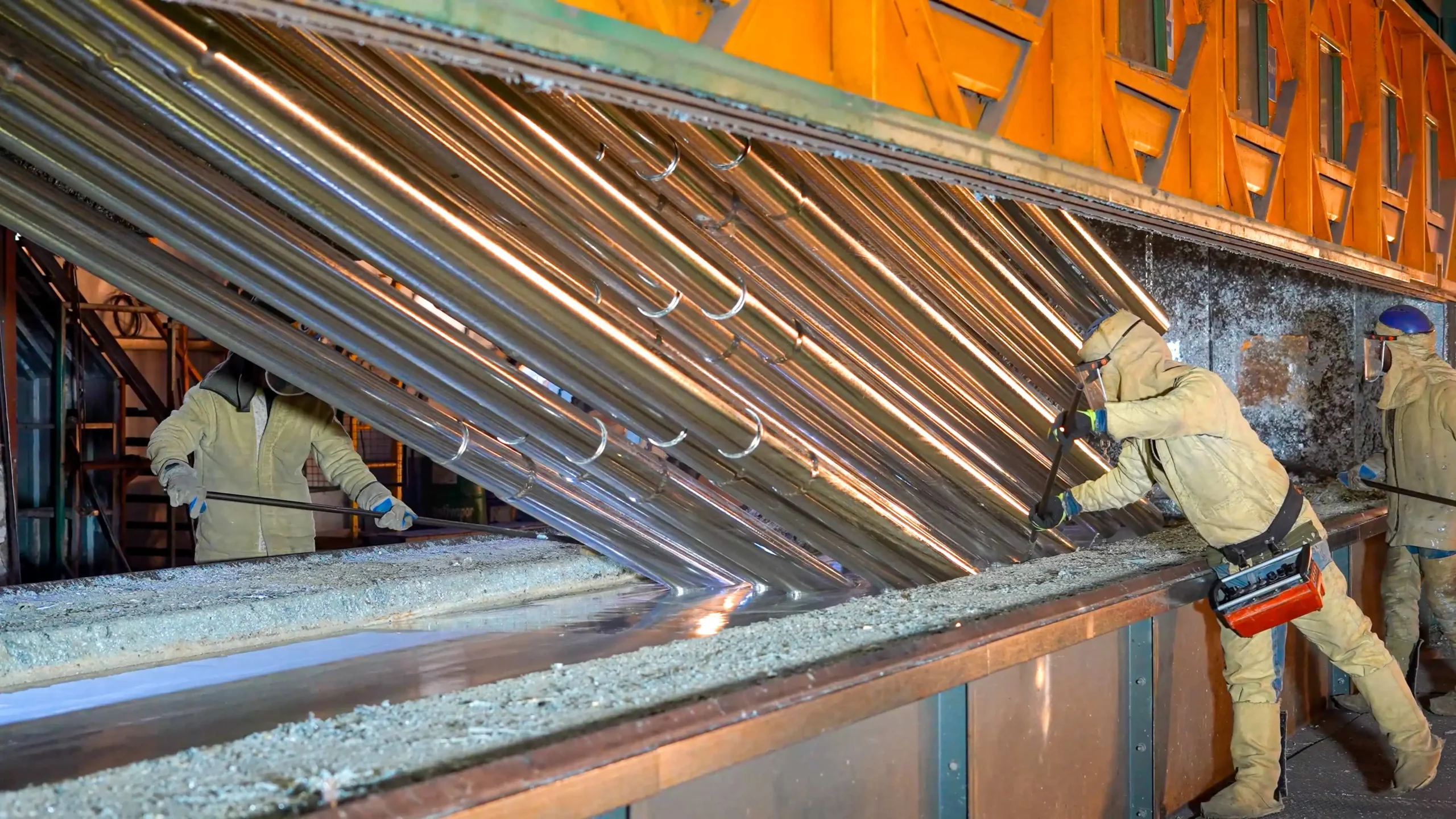
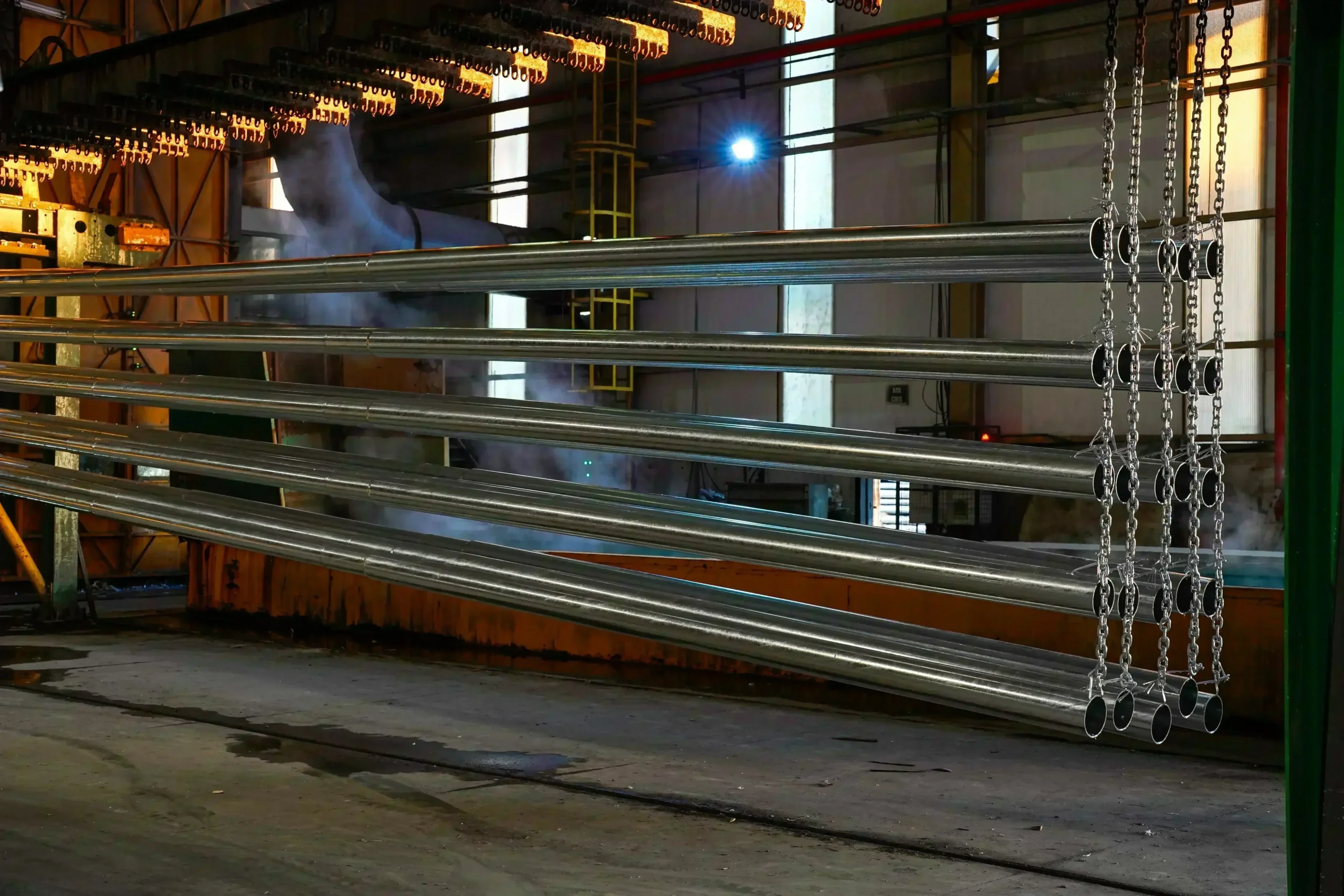
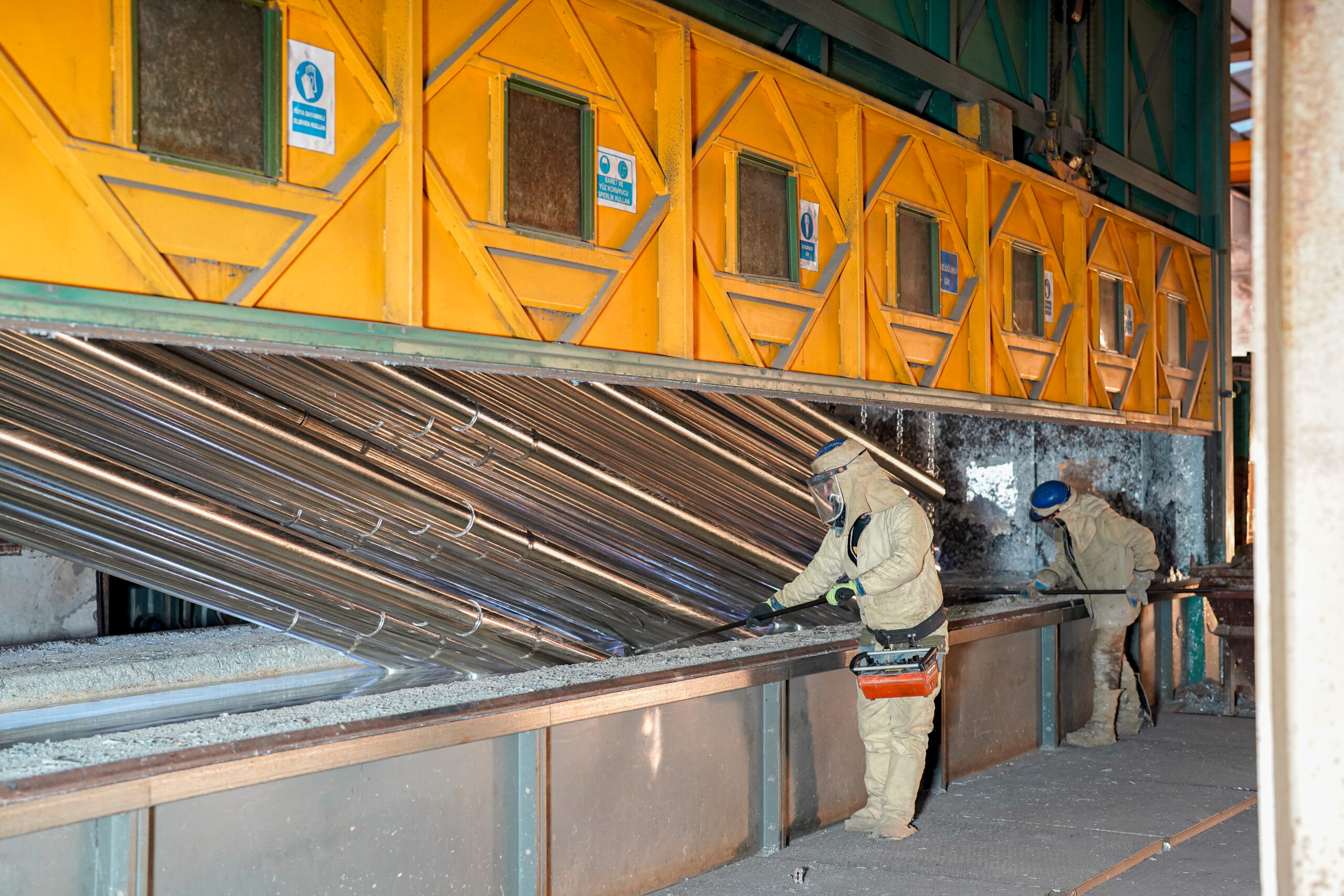
This is the process of immersing iron or steel materials in a bath of molten zinc at a temperature of approximately 450°C. As soon as the material enters the pool, the iron on the steel surface reacts with the zinc in the pool. It is not just a coating, but an alloy formation. The zinc penetrates and integrates into the surface of the steel.
What is Electro Galvanizing (Electroplating / Zinc Plating)?
This process, also known as “Cold Galvanizing”, is an electrolysis method. Using zinc anodes and steel cathodes, it is based on the principle that zinc ions are transported by electric current to the metal surface and deposited there. No heat is used during the process, the zinc does not penetrate into the metal, it only adheres to its surface.
1. DIFFERENCE: Metallurgical Bond vs. Mechanical Adhesion (The Most Fundamental Difference)
The most critical difference between the two methods is how the zinc adheres to the steel.
- Hot Dip Galvanizing (Diffusion):The heat generated during the dipping process causes the iron and zinc to mix at the atomic level. From the outside to the inside, layers of alloys called Eta, Zeta, Delta and Gamma form on the surface. These layers make it impossible to separate the coating from the steel. The coating is like the skin of the steel; even if you scrape it off, the alloy layer comes out from underneath.
- Electro Galvanizing (Adhesion):In this method, zinc is mechanically attached to the steel surface by electrical attraction. There is no alloy layer in between. This is similar to paint. When impacted or bent, the coating may lift or peel off like a shell.
2. DIFFERENCE: Coating Thickness and Micron Values
Protection time directly depends on the thickness of the zinc. The rule “the more zinc, the longer the life span” applies.
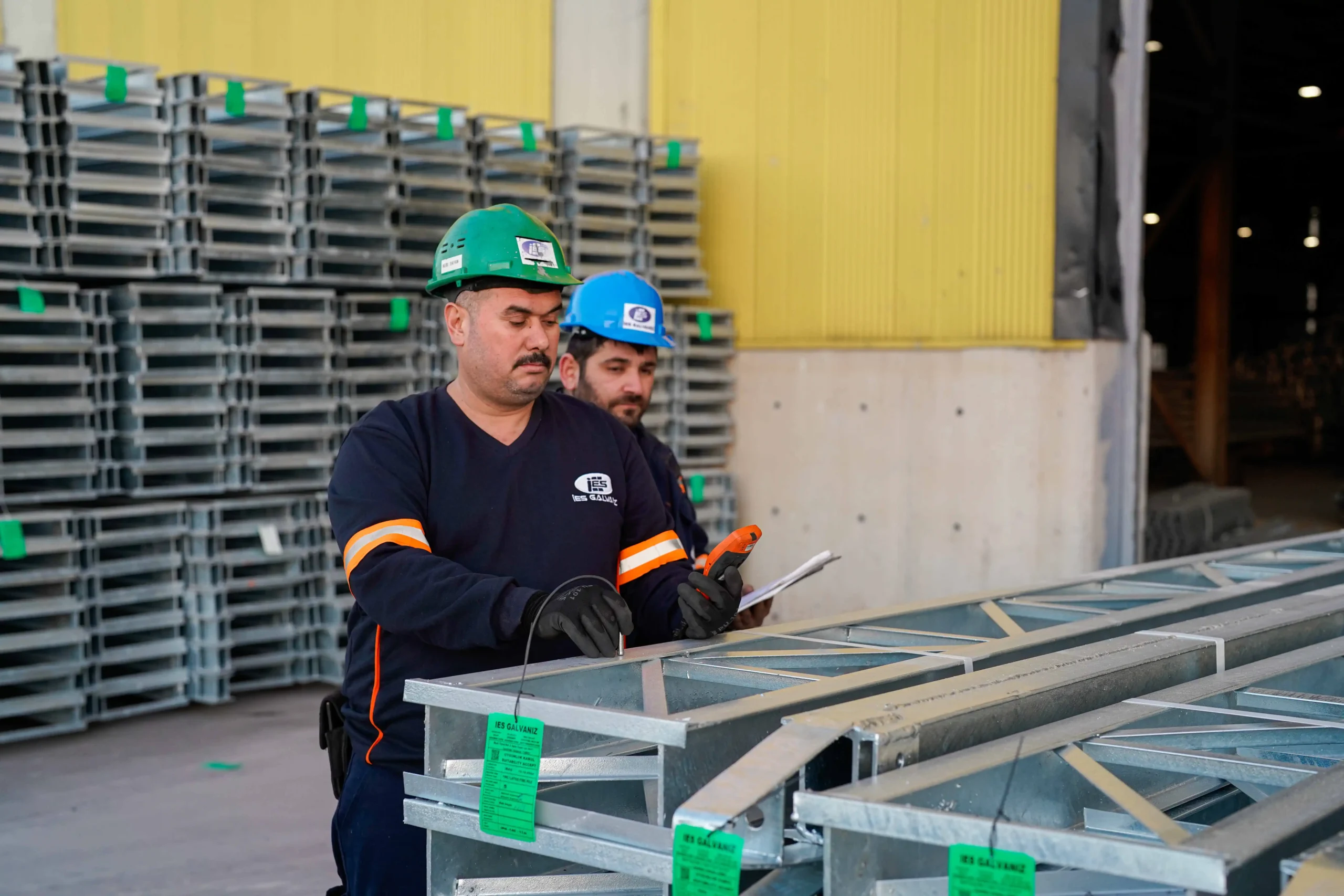
- Hot Dip Standards (TS EN ISO 1461): This standard specifies minimum coating values according to the wall thickness of the material. For example, the average coating thickness of steels thicker than 6 mm (energy transmission poles, steel construction etc.) is 85 microns (µm) and above. In IES Galvanizing plants, this value usually reaches 100-120 microns.
- Electro Galvanizing Standards (TS EN ISO 2081): Electro coatings are much thinner. It usually ranges from 3 to 15 microns. While it is technically possible to make it thicker, it is not economical due to processing time and energy cost.
- Conclusion: Hot-dip galvanizingoffers a protective shield that is on average 10 times thickerthan electro galvanizing.
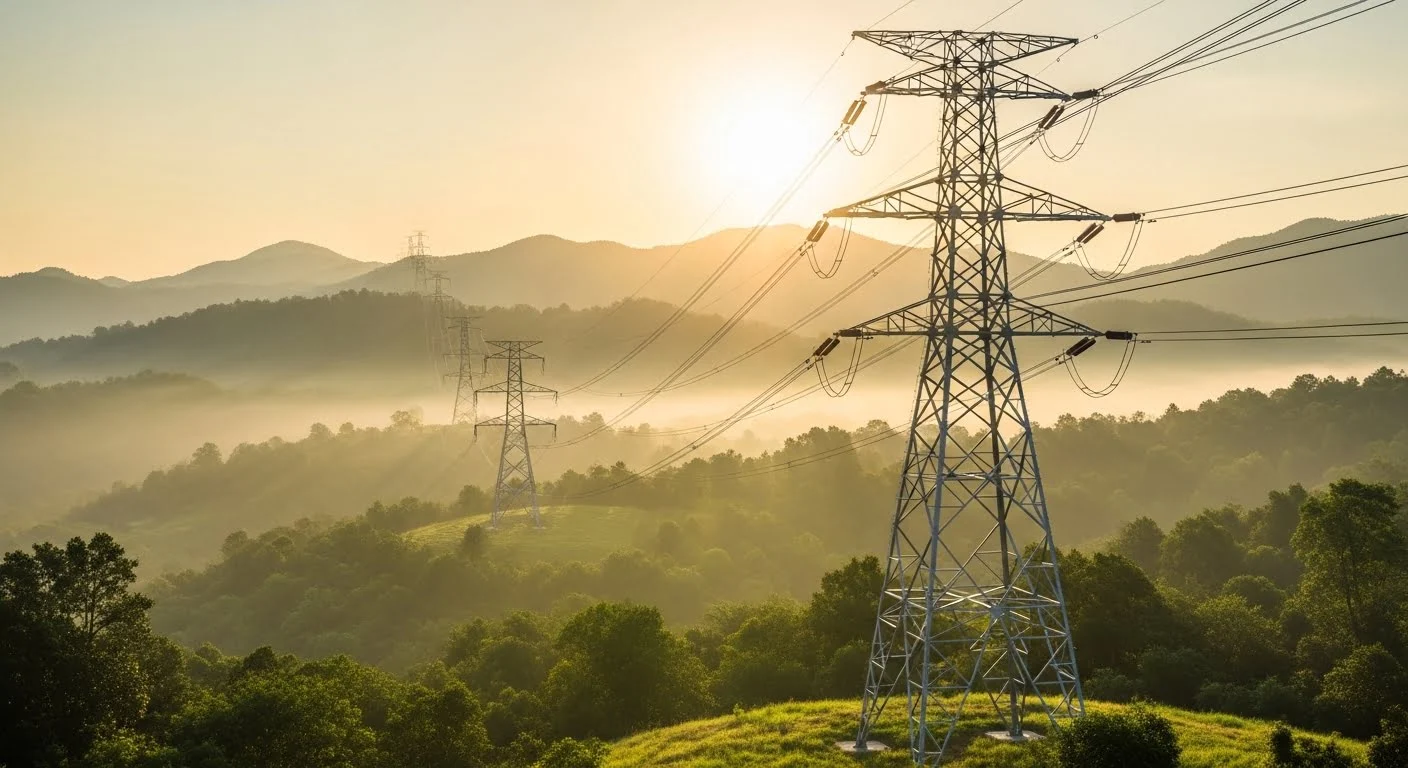
hot dip galvanized or electro galvanized?
3. DIFFERENCE: Corrosion Resistance and Service Life
The issue that engineers and investors are most interested in is “Durability.”
- Salt Test vs. Real Life: Electro galvanized products can last for a certain period of time in salt tests (Salt Spray Test) in a laboratory environment. However, in real atmospheric conditions (UV rays, rain, wind, industrial gases) this thin layer corrodes rapidly.
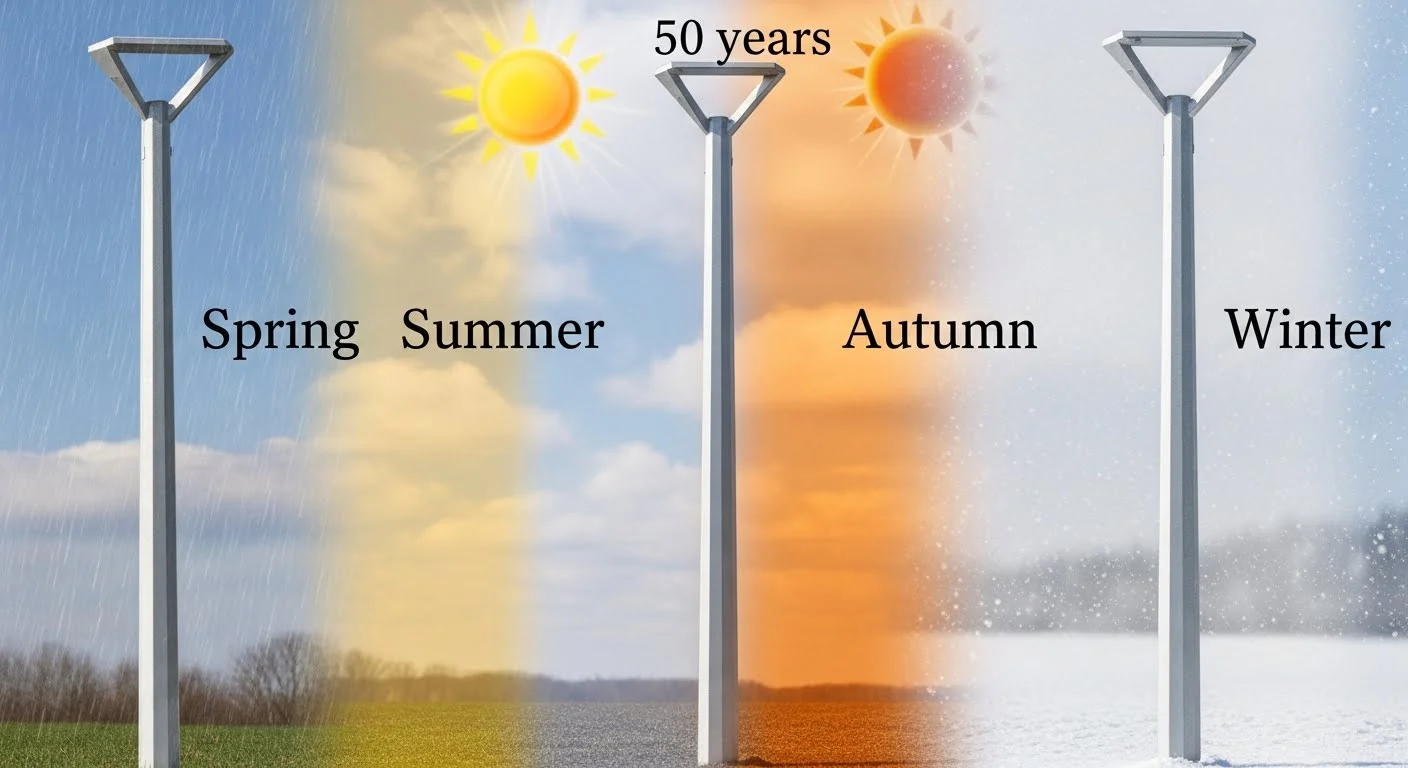
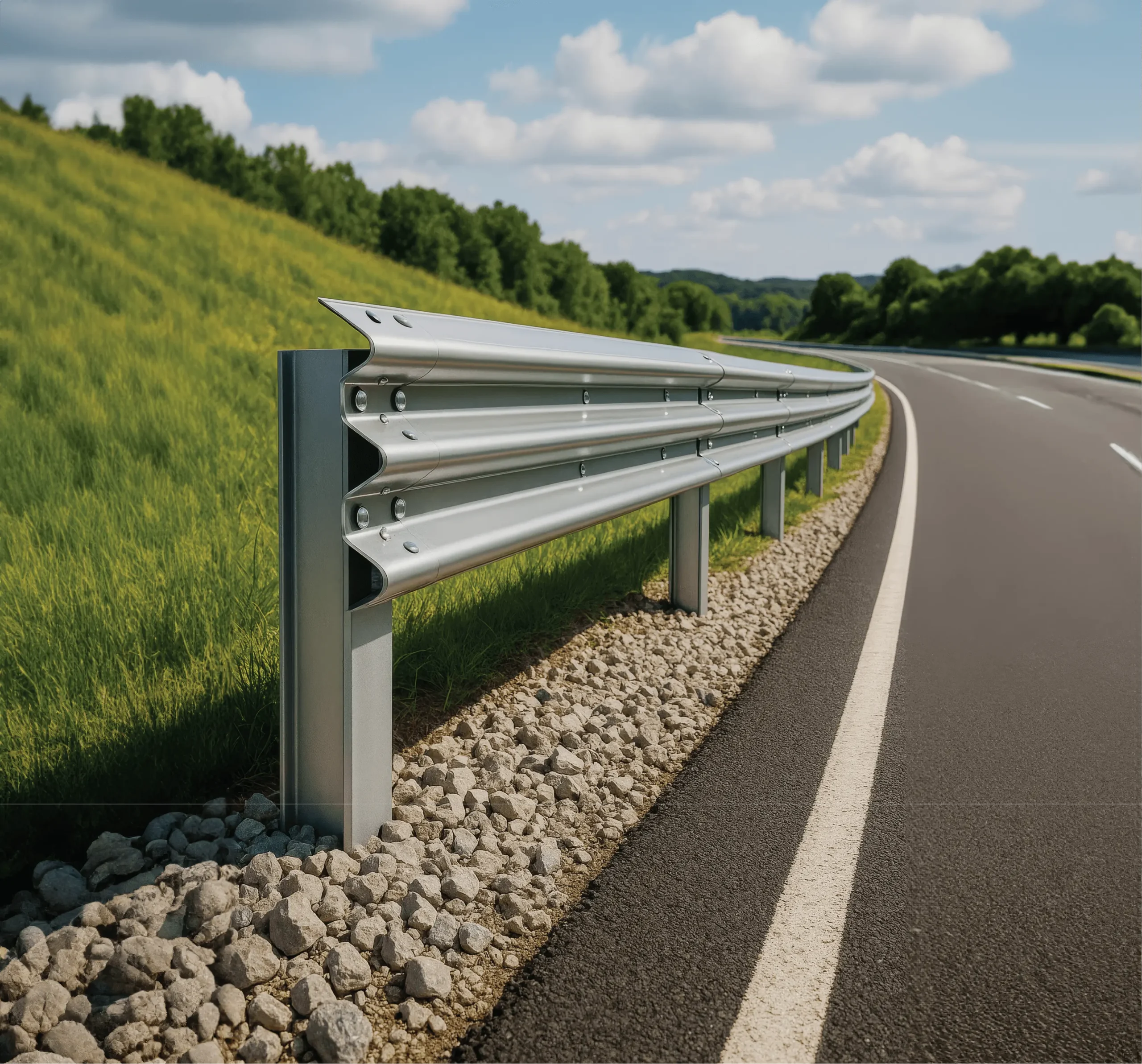
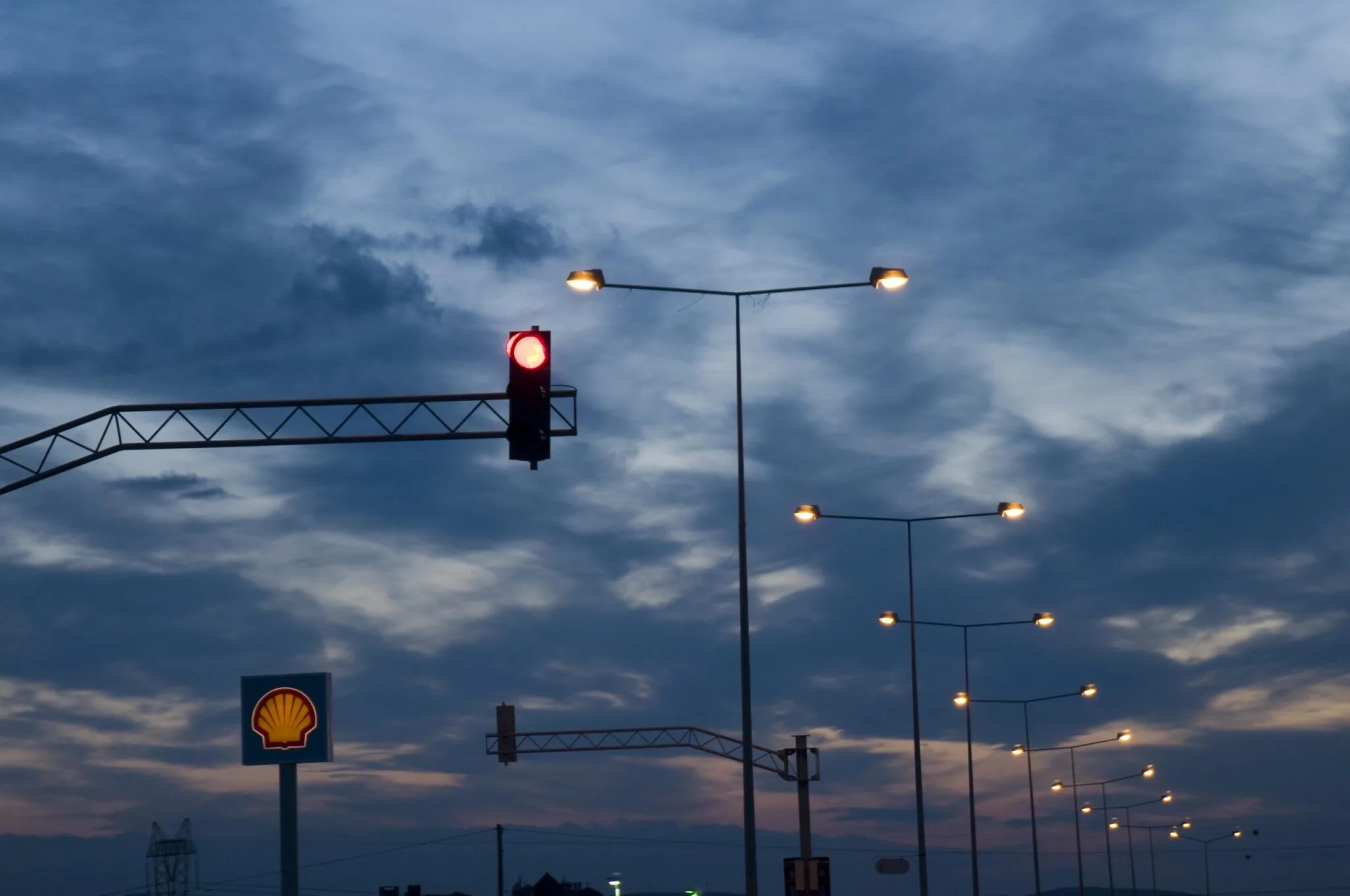
- Atmospheric Resistance: A auto guardrail or lighting pole, if electro-galvanized, will start to rust in the first winter. Hot-dip galvanized, on the other hand, will last 50 years in a C3 class (urban) atmosphere and 20 years in a C5 class (seaside) environment without maintenance.
- Barrier Effect: When electroplating is scratched, the steel underneath rusts immediately. In hot dipping, the cathodic protection (sacrificial anode effect) works much more strongly and prevents rust from marching through even deep scratches.
4.ARK: Hardness and Wear Resistance (Armor Effect)
Materials are not transported to the construction site; they are transported by trucks, lowered by cranes, and impacted during assembly.
- Alloy Hardness: Hot-dip galvanizingThe “Delta” phase of the iron-zinc alloy layers formed in the process is even harder than the base metal, steel (steel has a hardness of about 160 DPN, while the Delta layer has a hardness of 244 DPN). This protects the material like an armor against physical impact and friction.
- Pure Zinc:The surface of electro galvanizing is 100% pure zinc. Zinc is a soft metal. For this reason, electroplated parts are easily scratched and lose their protective layer by rubbing against each other during transportation.
5. DIFFERENCE: Aesthetic Appearance (Gloss or Matte?)
This is the biggest mistake in customer perception: “Shiny is quality.”
- Electro Galvanized:It has a smooth, shiny, mirror-like appearance. It can take blue, yellow or black passivation colors. For this reason, it is preferred for aesthetic purposes in interiors, furniture accessories, screws and hardware products.
- Hot Dip Galvanized: It has a more matt, gray and crystalline (spangle) structure. It is a completely industrial and natural look. Over time, as it comes into contact with air, it dulls and forms a “zinc patina”. This dulling is a sign of continued protection.
- Warning: When buying a energy pole or exterior steel, look at the thickness of the coating, not the shine. The shiny electro-galvanized finish is an illusory beauty in the external environment; it is temporary.
6thARK: Coverage and the “Faraday Cage” Effect
How to protect complex geometric shapes (inside pipes, box profiles, corners)?
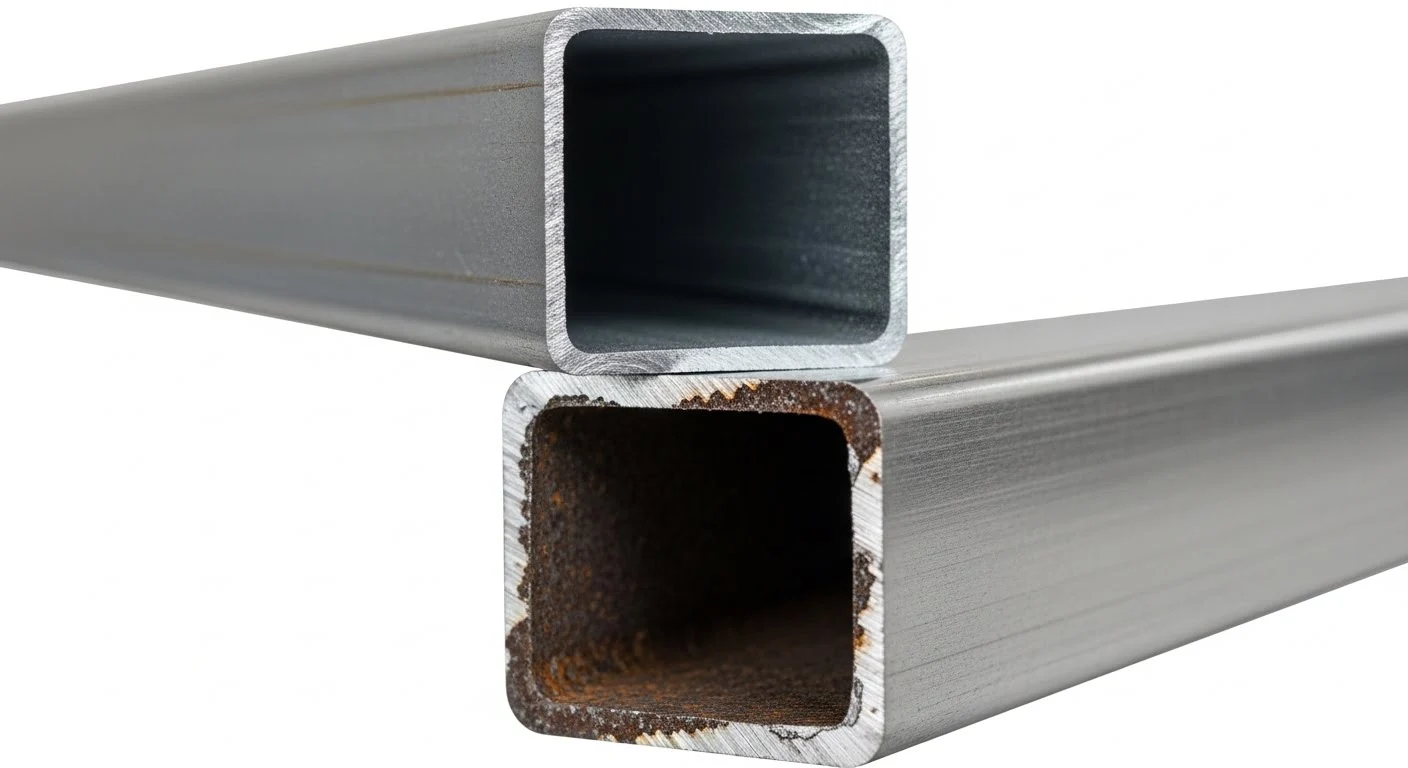
- Internal Surfaces: Hot-dip galvanizingis a liquid process. The molten zinc goes wherever water enters. The inside, outside and weld seams of a pipe or polygonal pole are coated with equal thickness.
- Faraday Cage Effect: Electro galvanizing works with electric current. Due to the laws of physics (Faraday Cage), electric current cannot reach inside corners, nooks and crannies and inside pipes. Therefore, while the outside of an electroplated profile is shiny, the inside remains completely unprotected (raw steel). Corrosion starting from the inside will rot the material in a short time.
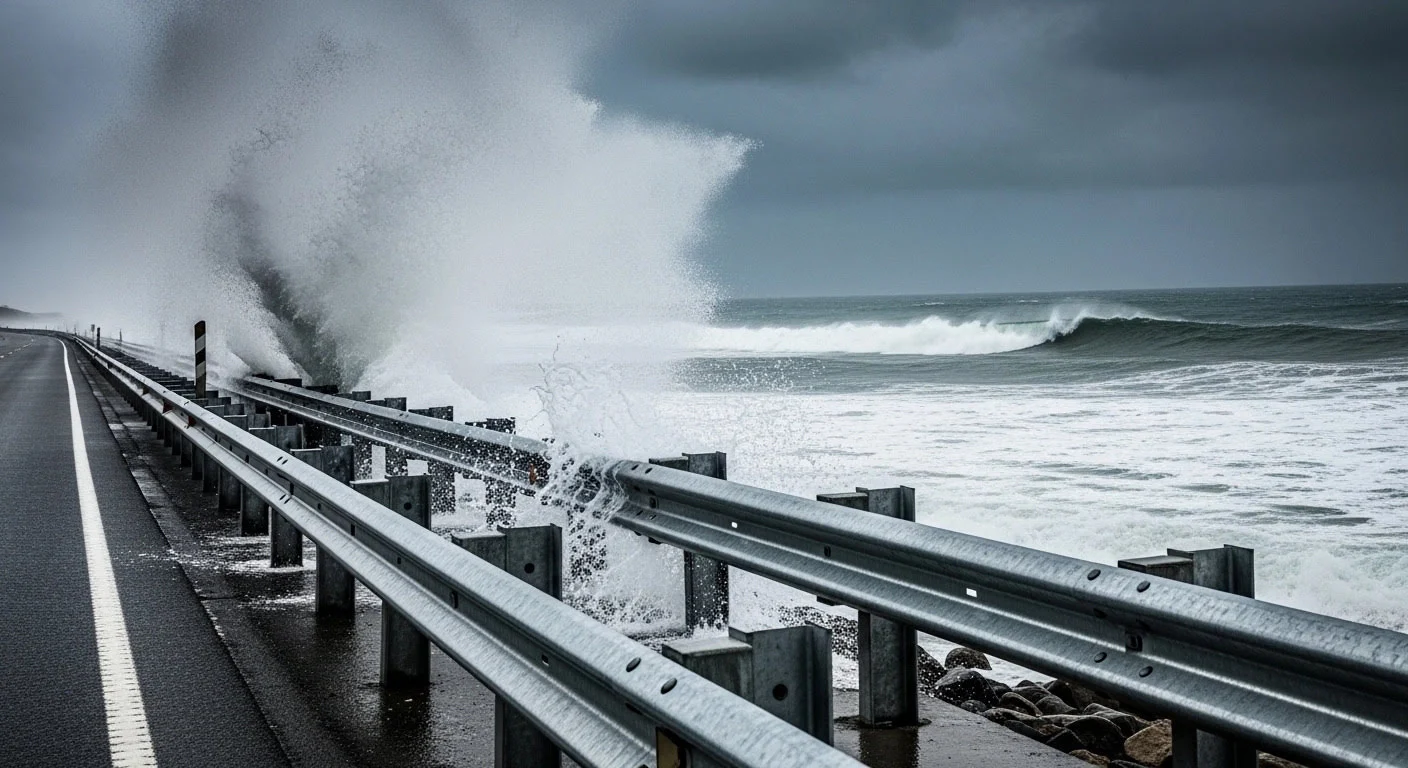
hot dip galvanized or electro galvanized?
7. DIFFERENCE: Cost Analysis (Initial Investment vs. Lifetime Cost)
Which method is more economical? The answer depends on the perspective of “time.”
- Unit Price:The initial cost (price per kg) can be lower because electro galvanizing consumes much less zinc and is thinner. It is especially economical for small fasteners (bolts, nuts).
- LCC (Life Cycle Cost):If electro galvanized is chosen for a tonnage of steel to be used outdoors, it will require painting or renewal every 2 years. When these maintenance costs are added, electro-galvanizing is many times more expensive than hot-dip galvanizing.
- Economy of Scale:For heavy steel structures, constructionsand poles, hot-dip galvanizingis unrivaled in cost per ton and with a 50-year maintenance-free warranty.
Which Method to Choose for Which Project (Decision Table)
In short, there is no “better” method, there is a “fit for purpose” method. According to the needs of your project, you can use the following table:
Areas of Use of Hot Dip Galvanized
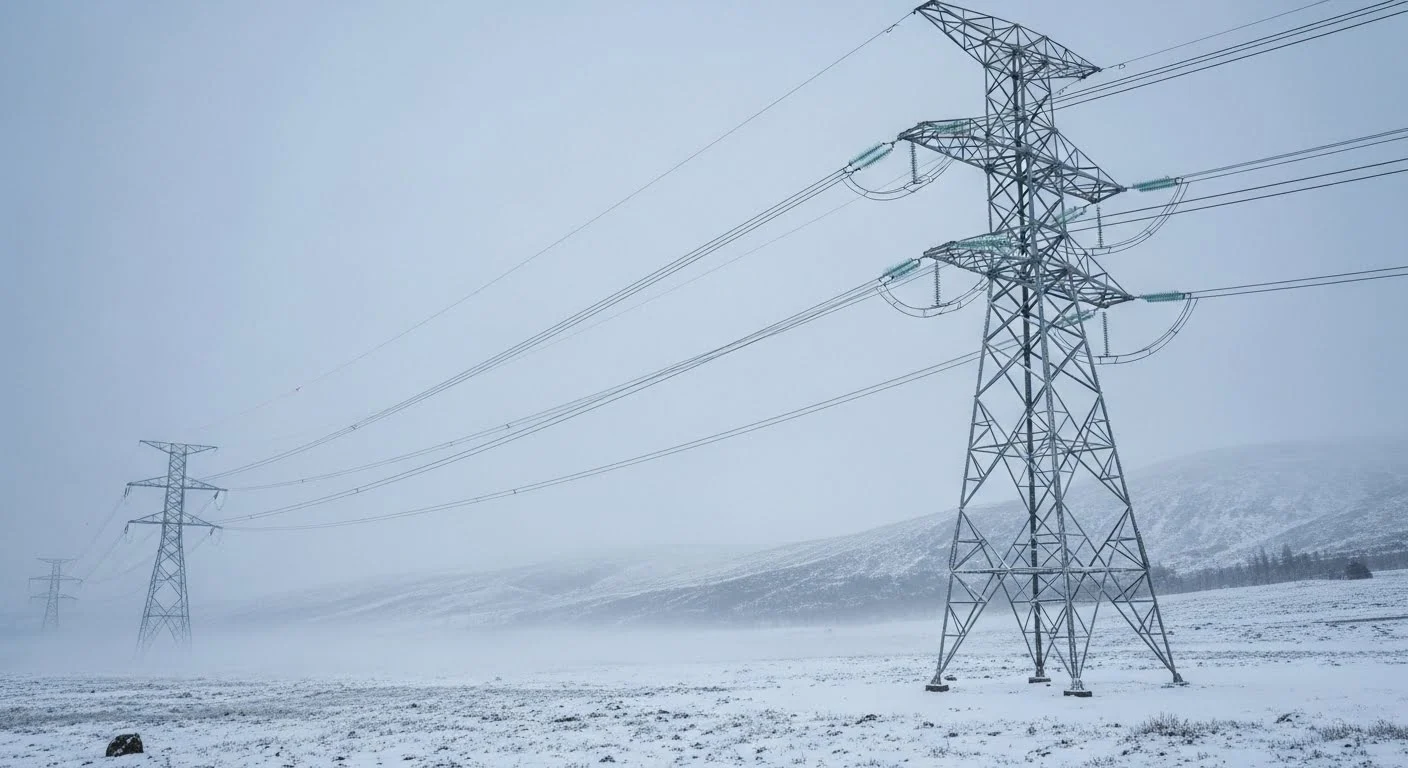
- Power Transmission Lines and High Voltage Poles.
- Guardrail Systemsand Road Barriers.
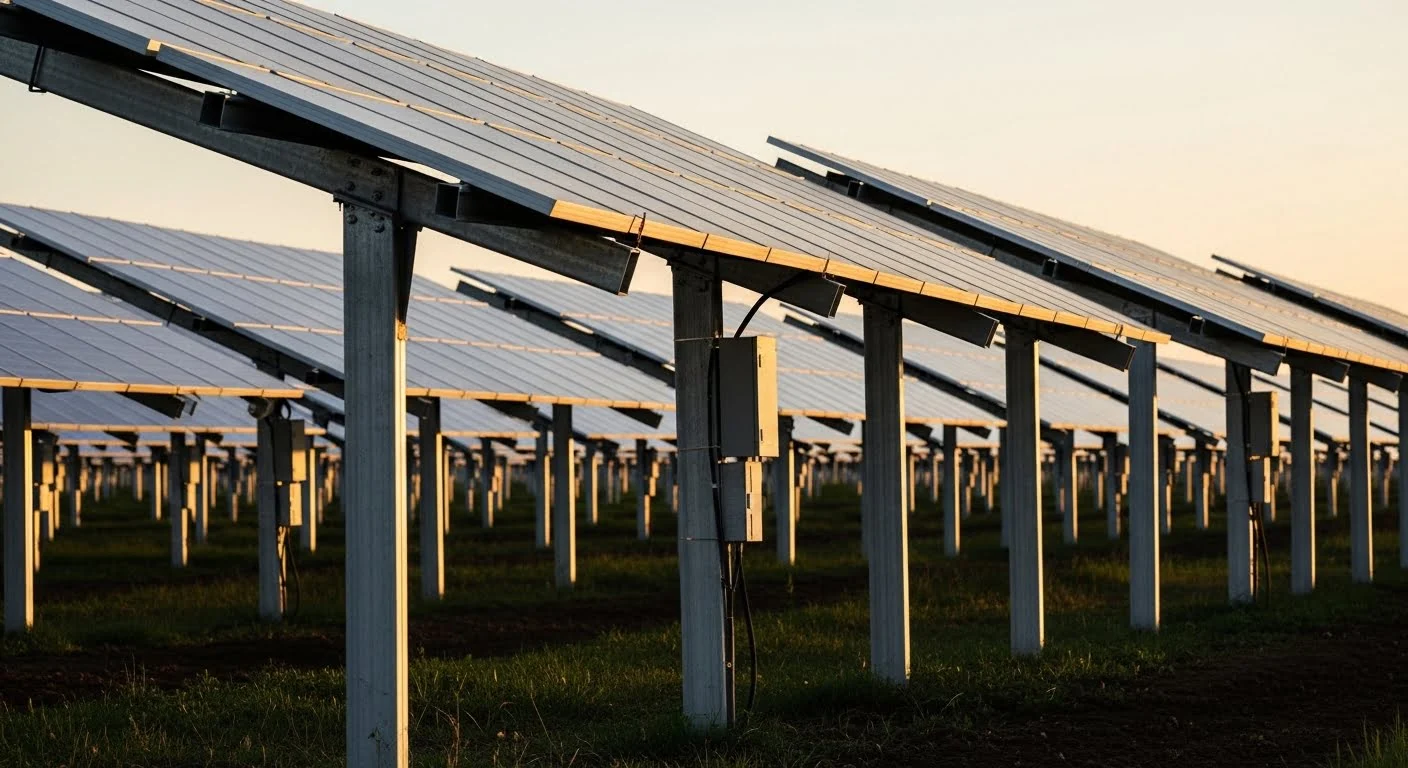
- Solar Carrier Systems(SPP Construction).
- Steel Bridges, Overpasses.
- Outdoor Urban Furniture and Lighting Poles.
- Agriculture and Livestock Equipment.
Electro Galvanized Usage Areas
- Indoor furniture accessories and hinges.
- Screws, nuts (Threaded parts requiring low tolerances).
- Automotive body sheets (since automotive paint will be applied on it).
- White goods panels.
- Market shelving systems (Dry environment).
Don’t Risk Your Project
If your project will be located outdoors, in a humid environment or in heavy industry; It is a big mistake in terms of engineering to prefer electro galvanized by being fooled by its shiny appearance. Corrosion unforgiving.
As İES Galvaniz, we provide only hot dip galvanizing services in our facilities in Osmaniye with our 14 meter galvanizing pool capacity. Because we know that this is the only valid, scientific and economic protection method for heavy industry and infrastructure projects.
Entrust the life of your steel structures not to chance, but to TS EN ISO 1461 standards.