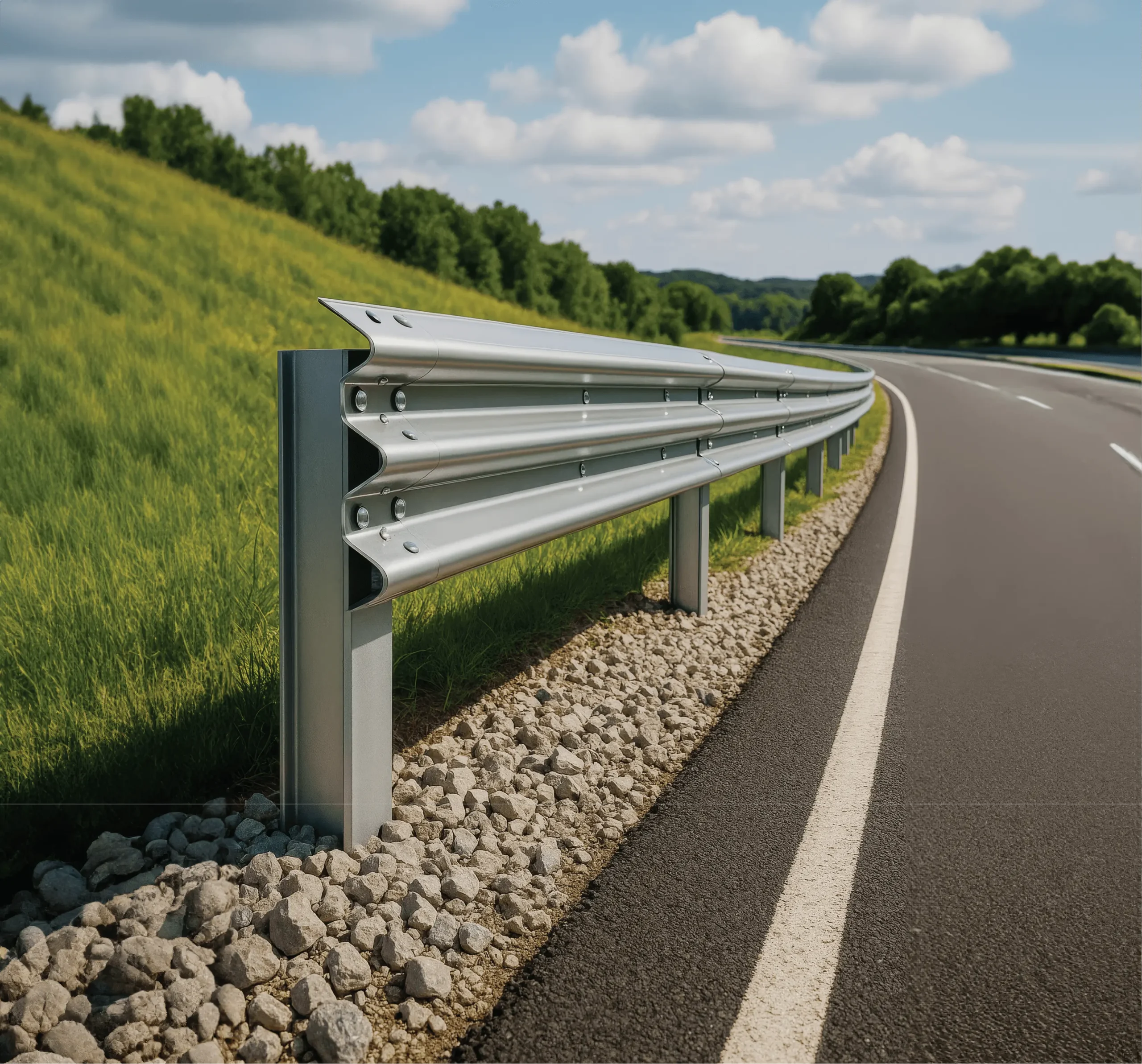



Highway safety is not just about driver vigilance or vehicle technology. In the event of an accident, “passive safety equipment”, i.e. guardrail systems that return a vehicle back on the road or prevent it from rolling into a ravine, mark the fine line between life and death. But even a barrier made of the world’s highest quality steel can become a deadly trap for the vehicles it is supposed to protect if it falls victim to incorrect design or faulty installation.
Guardrails are not simple lumps of metal, but integrated engineering structures consisting of rails, posts, wedges and fasteners, crash tested according to EN 1317 standards. The performance of this system is as much as its weakest link. A seemingly “small” installation error in the field or a floor detail overlooked in the project disrupts the integrity of the system.
In this comprehensive technical guide, we will examine the 5 most common critical mistakes, their technical causes, and their consequences from design to installation of a auto guardrailproject.
Error #1: Wrong Enclosure Level and Working Width (W) Selection
Trailing mistakes often start with the wrong product choices made at the desk, before the bucket hits the field. The perception that “every barrier fits every road” is the biggest misconception in the sector.
Inadequate Classification by Traffic Volume and Road Type
The EN 1317 standard divides barriers into “Containment Levels”. These levels are determined by the tonnage and speed of the vehicle that the barrier can stop.
- Error:Designing a N2 class barrierdesigned to hold only passenger vehicles on a highway or viaduct with heavy vehicle traffic (trucks, trucks, buses).
- Technical Consequence (Overriding):An N2 class barrier fails to provide sufficient energy absorption when hit by a 13-ton bus. The height and strength of the barrier are insufficient and the heavy vehicle overrides the barrier and crosses into the opposite lane or flies down the viaduct.
- Right: The traffic composition should be analyzed and steel barriers should be preferred.
Working Width (W) Violation
Trails do not work like a rigid wall, but like a flexible net. It absorbs energy by flexing (deformation) at the moment of impact. This stretching distance is called the “Working Width” (W).
- Error:Using a barrier with high flex (e.g. W5 class – flexes up to 1.7 meters) when a rigid object such as a bridge pillar, light pole or retaining wall is directly behind the barrier.
- Technical Consequence (Pocketing): The vehicle hits the barrier, the barrier flexes but gets stuck against the concrete wall behind. Even if the barrier does its job, the severity of the accident increases to a fatal level as the vehicle comes into contact with the hard object behind.
- Right:The distance between the obstacle and the barrier should be measured, and rigid systems with low flexing (W1, W2 class) or double-sided guardrailsolutions should be used in narrow areas.
5 critical mistakes to avoid in guardrail systems
2. ERROR: Driving a Post without a Soil Investigation
A otrail systemdampens most of the energy by transmitting it to the ground through the posts. The foundation of the barrier is therefore the ground itself.
Inadequate Compaction and Loose Soil
In order for the vine to resist bending on impact, the soil around it must hold it firmly.
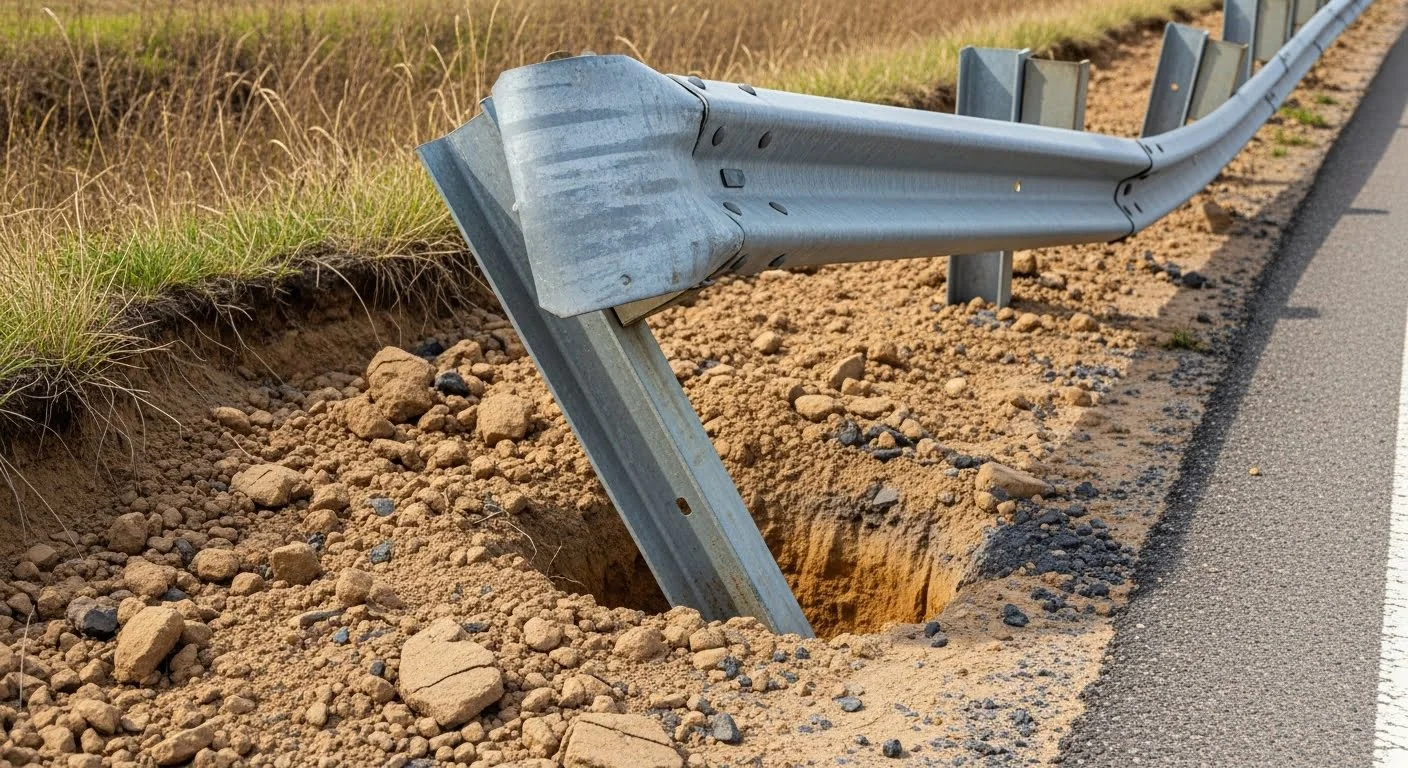
- Error:Driving standard size struts on unsettled, loose fill soils or slope edges without performing a soil improvement test (plate loading test).
- Technical Consequence: On impact, the strut will tilt or dislodge without resistance, splitting the loose soil. The barrier is thrown down like a rope and the vehicle rolls into a ravine.
- Correct: The embankment should be compacted to standard (95% modified proctor etc.). If the ground is loose, instead of the standard 1600mm post, longer posts (2000mm+) should be used or concreted around the post.
Insufficient Fastening Depth and “Shortcut” Methods
The part of the vine that remains below ground (socket length) creates a leverage effect and keeps the system standing.
- Error: When encountering stones or concrete on the ground during installation, shortening the strut by cutting it from the top or bottom instead of driving it in. This mistake, which is made with the logic of “It is under the ground anyway, no one will see it”, completely destroys the statics of the system.
- Technical Conclusion: As the socket length shortens, the moment arm of the strut changes. At the slightest impact, the strut shoots out of the ground.
- Correct:On hard floors that cannot be nailed, the strut should not be cut; a hole should be drilled into the ground with a core or plate (flanged) strut should be used and installed with a chemical dowel.
3. ERROR: “Reverse Overlap” in Beam Assembly
This is the deadliest, most unforgivable, but unfortunately the most common installation error in the field of highway safety.
Traffic Flow Direction and Lap Splice Rule
The guardrail rails (A profile or B profile) are extended by overlapping (splicing) one on top of the other.
- Golden Rule: The joints of the rails should be overlapped according to the “Direction of Traffic Flow”. That is, according to the direction of flow, the trailing rail should overlapthe leading rail. The logic is the same as when roof tiles are arranged according to the flow of water; the vehicle must slide over the rail surface.
- Error (Reverse Overlap): Overlapping of rails against the direction of traffic. In this case, the sharp end (joint) of the rail is exposed to the oncoming vehicle.
- Technical Consequence (Spearing):In the event of an accident, instead of slowing down by rubbing against the barrier surface, the vehicle gets caught on the protruding end of the rail. The rail is dislodged by the high-speed impact and penetrates the windshield or door of the vehicle like a spear. This scenario results in fatal injury 90% of the time.
- Correct:Assembly crews should confirm the direction of traffic and check the direction of loading at the beginning of each shift.
Mounting Height Errors
- Error:Barrier installed too high or too low above the pavement level.
- Technical Result:
- Very Low:The vehicle may go over the barrier (Vaulting) or roll over.
- Very High:Small vehicles can underrun the barrier and smash directly into the steel uprights.
- Correct:The installation height specified in the standards (e.g.: Rail top elevation 75 cm) should be continuously checked with a tape measure throughout the installation.
4th ERROR: Lack of Fasteners and Torquing
The power that holds massive steel barriers together is those tiny bolts. An omission in the quality or installation of the bolt will cause the system to break.
Poor Bolt Quality and Missing Washers
- Error:Using grade 4.6 or 5.8 (soft iron) bolts instead of grade 8.8 (high strength) to reduce cost. Also, not to install wide washers (rectangular washers) that prevent the bolt head from peeling off the rail.
- Technical Conclusion: Thousands of tons of tensile force at impact will cut the low quality bolt like cheese. Or, because there is no washer, the bolt head passes through the slot hole in the rail (by tearing). As a result, the rails separate and the barrier loses its continuity.
- Correct:Certainly certified, hot-dip galvanizedcoated, grade 8.8 bolts and washers conforming to standards must be used.
Torqueing (Tightening) Errors
- Error:Bolts are either left loose by hand or over torqued, preventing movement of the rail.
- Technical Result:
- Loose: Over time, the nut falls off and the barrier crumbles due to traffic vibration.
- Over Tight: Guardrails expand in summer and winter temperature differences. If the rail-to-chock connection is over-tightened, the rail cannot expand and bends like a snake (buckling). Also, the rail is not allowed to flex on impact.
- Correct:Use a torque wrench and follow the torque values (Newton-meter) specified by the manufacturer.
5th Mistake: On-site Interventions that Damage Galvanized Coating
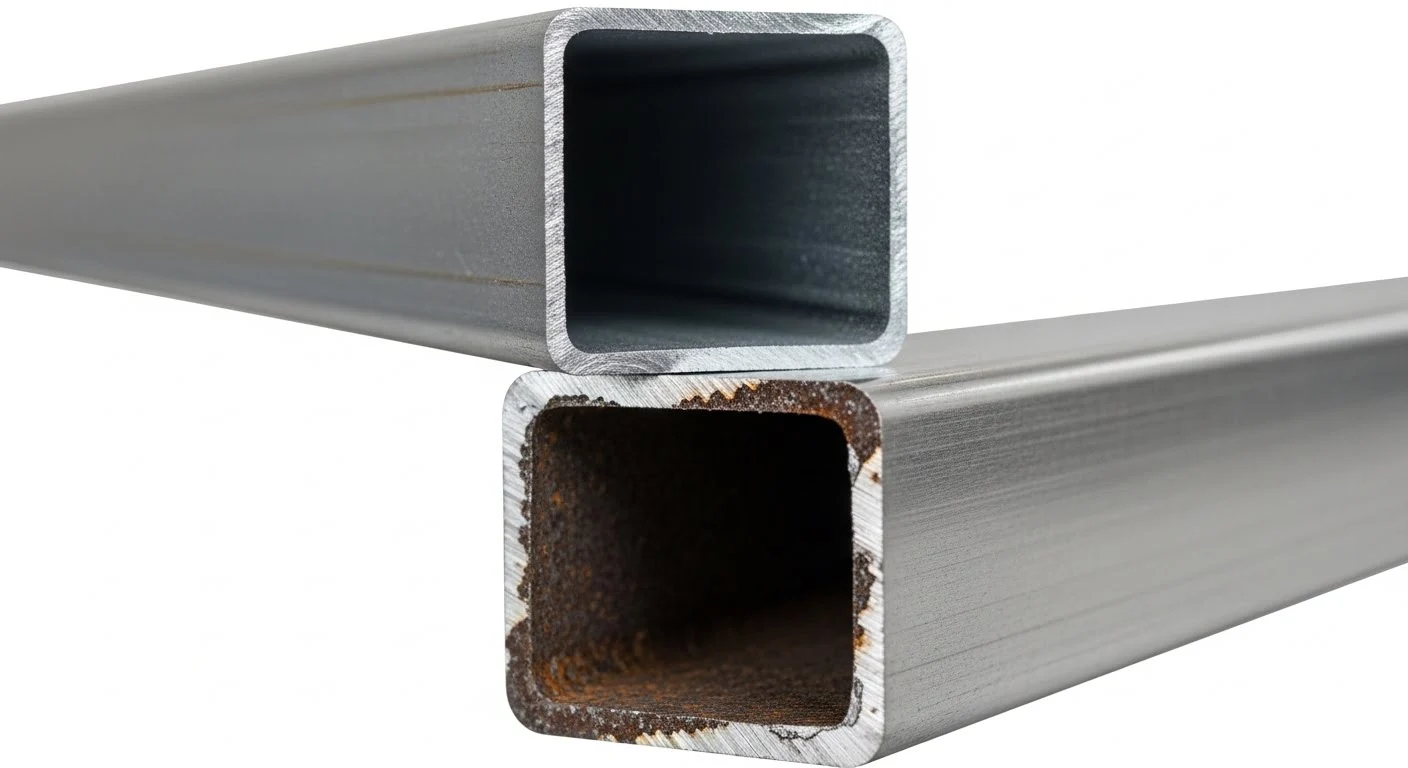
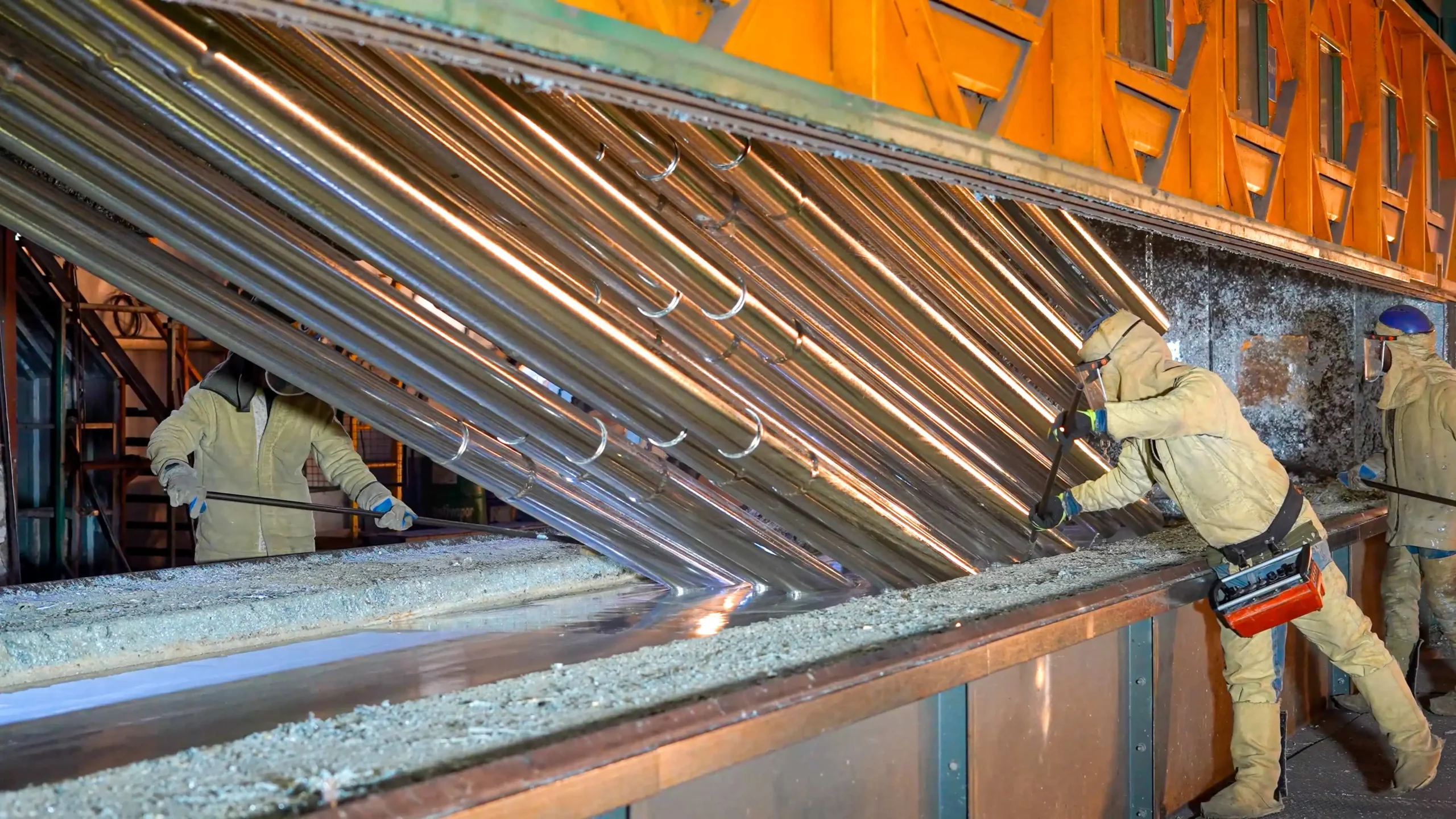
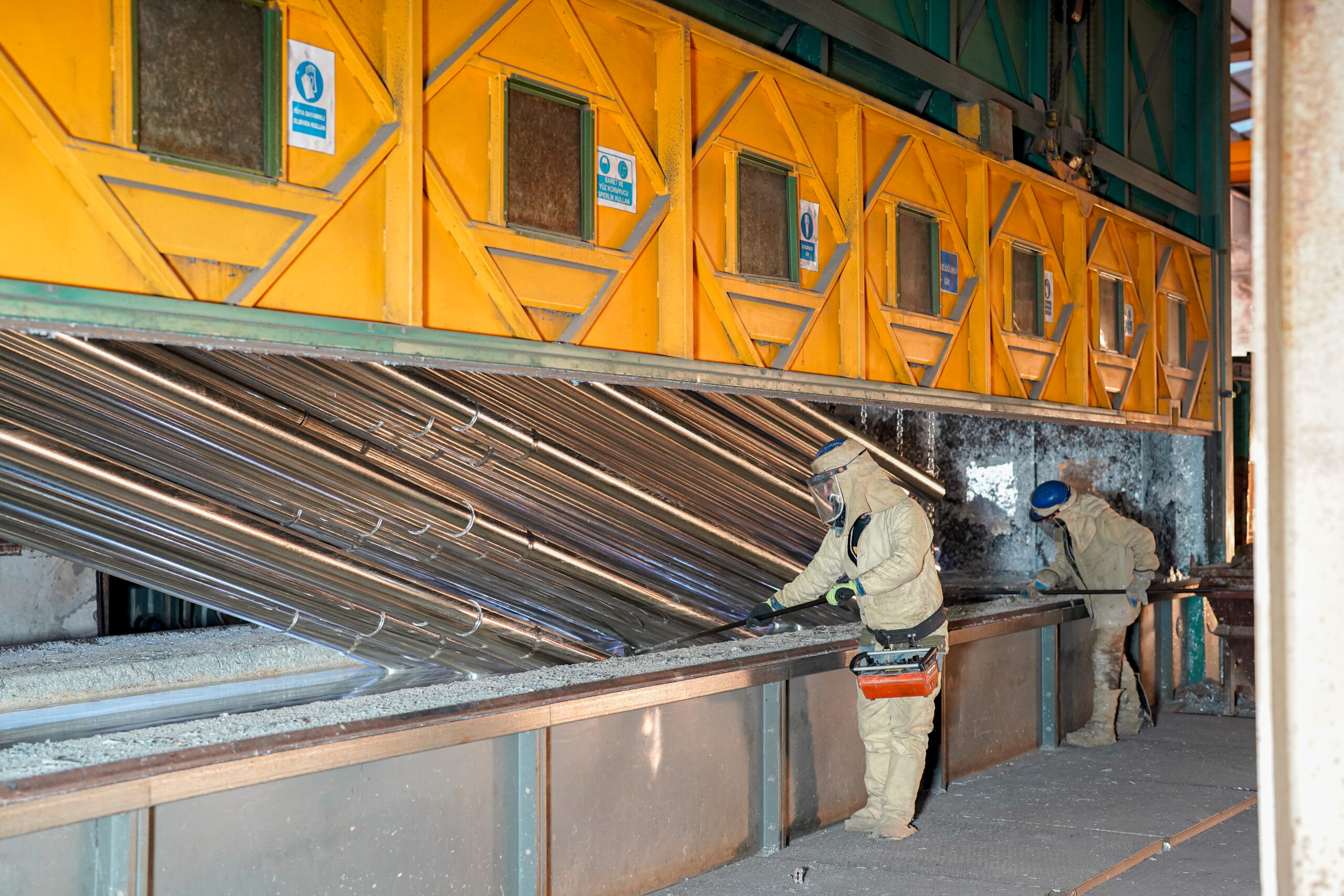
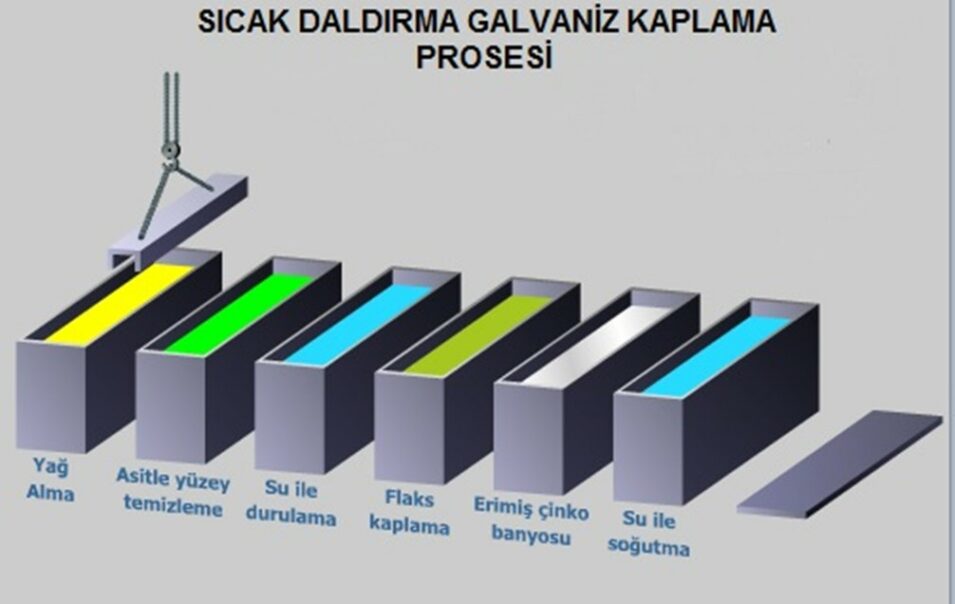
No matter how strong steel is, corrosion (rust) is its silent killer. Hot-dip galvanizingis armor that protects the barrier for 20-30 years.</span
Oxygen Cutting and Drilling in the Field
- Error:Workers drilling/cutting the barrier with an oxygen torch or drill when the holes do not meet or match in size on the construction site.
- Technical Result:The heat of the weld completely burns off the zinc coating (galvanizing) in that area. The inside of the drilled holes remains raw steel. These points are the starting base for corrosion. Rust walks through and soon corrodes the entire steel barriersystem and reduces its strength.
Correct: All production and drilling operations should be done in the factory on CNC machines and then galvanized. In case of forced cutting on site, the cut surface must be immediately repaired with cold galvanizing spray or zinc-rich paint (thickness in accordance with standards).
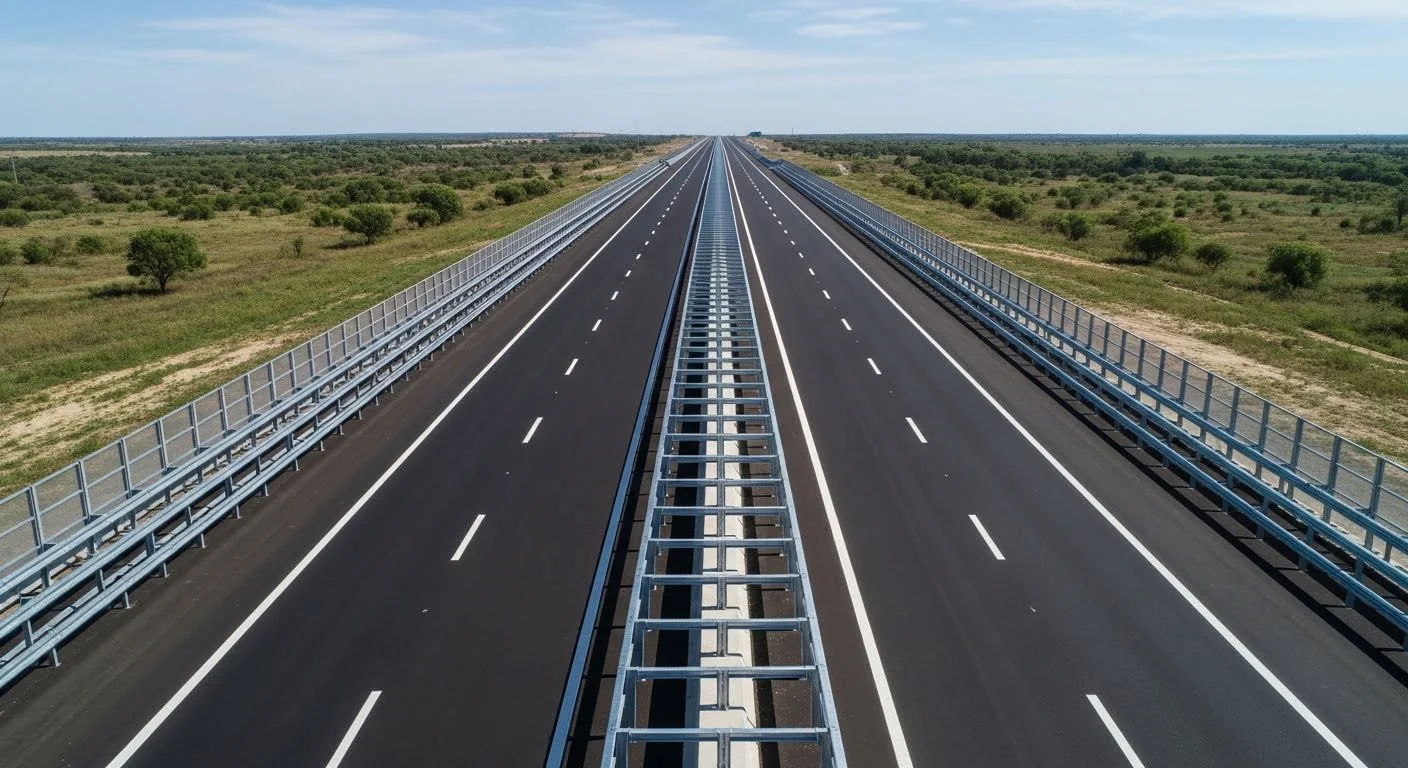
5 critical mistakes to avoid in guardrail systems
Inspection and Acceptance Process in Guardrail Systems
For a project to be considered safe, the following check-list should be applied after installation:
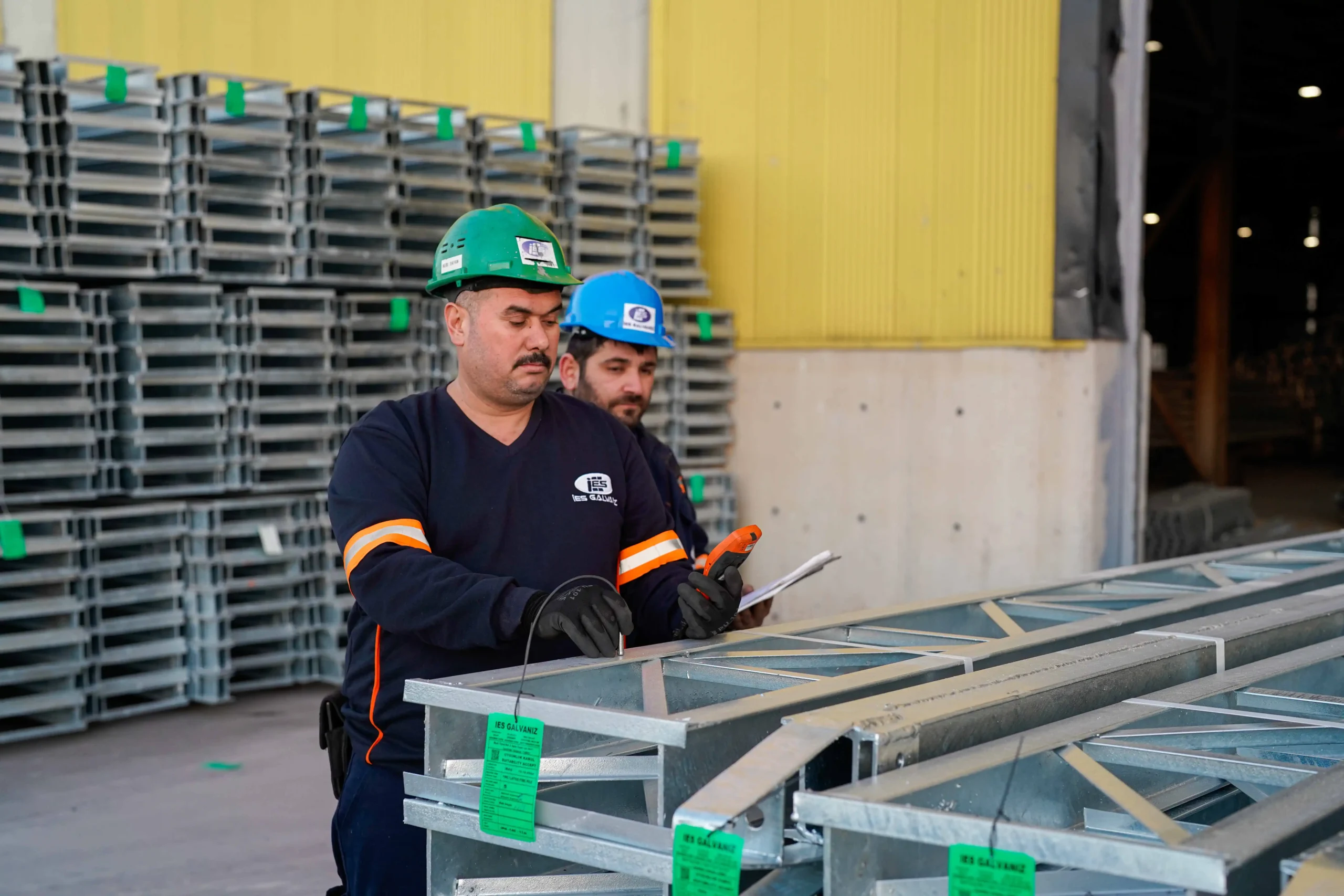
- Visual Inspection: Are the rail overlaps in accordance with the direction of traffic? Are there any dents or galvanization defects on the rails?
- Elevation Control:Is the rail top elevation at the project value (with ±2 cm tolerance)?
- Bolt Check: Are there any missing bolts or washers? Have torques been made?
- Reflector (Cat’s Eye):Are auto guardrail reflectorsinstalled at the correct intervals for night visibility?
- Starts and Ends:Are barrier ends buried in the ground (flared) or terminated with impact absorbingterminals (blunt ends are a lethal hazard).
Road Safety Cannot be Left to Chance
Systems of guardrails are vital structures based on engineering calculations and requiring millimetric assembly. Even one of the 5 mistakes listed above can cause millions of liras of investment to be wasted and, most importantly, the loss of a life that needs to be saved. It is a basic condition for traffic safety that sector stakeholders (Contractors, Highways, Municipalities) demand not only “the cheapest product” but also “the most accurate and standardized application”.
Correct material selection and expert production techniques are vital in the construction of safe roads. İES Galvaniz, which produces with an annual capacity of 120,000 tons in its modern integrated facilities in Osmaniye, is the solution partner of the sector with its guardrail systems and mounting accessories in full compliance with EN 1317 standards.
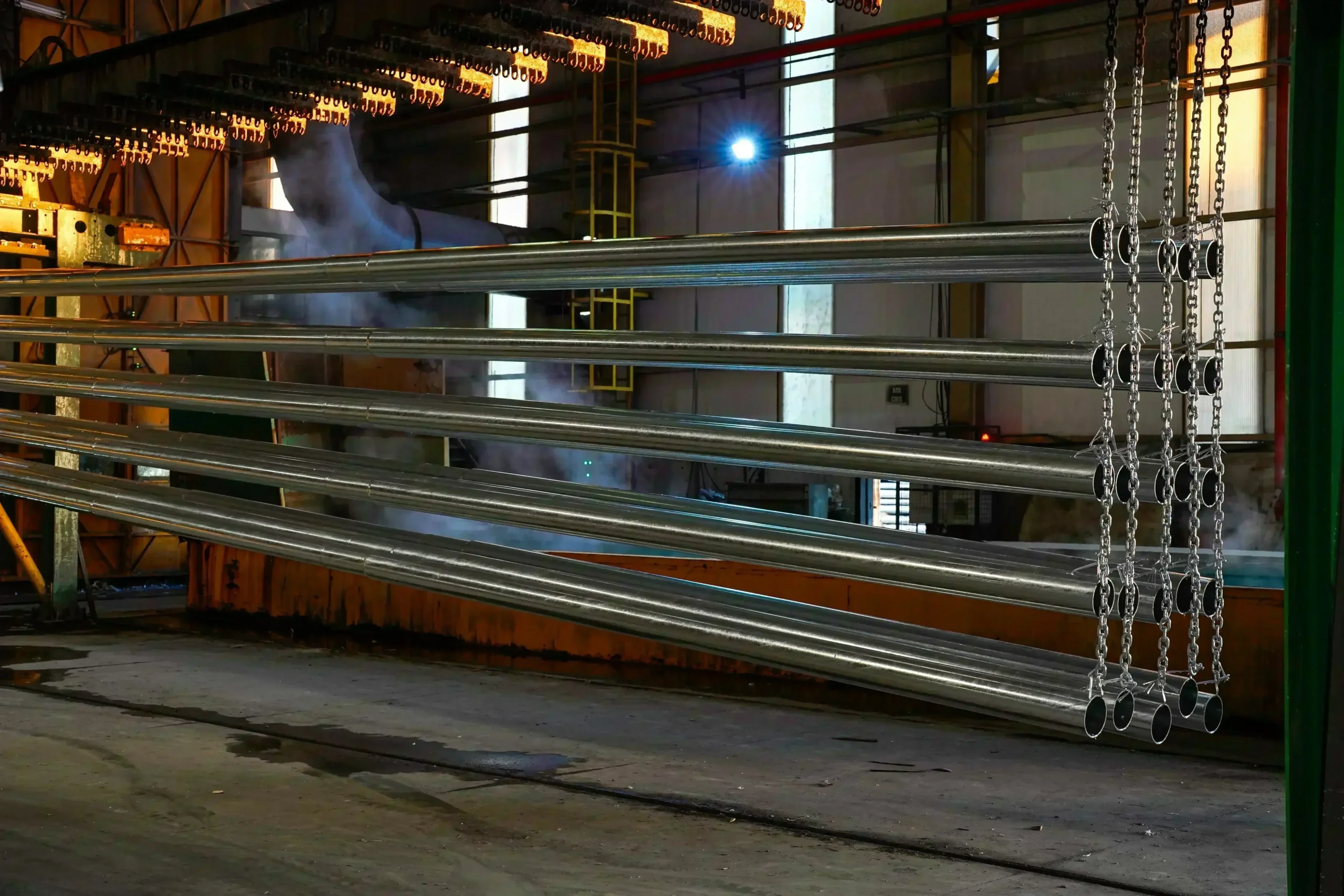
Thanks to our 14 meter galvanizing pool and CNC supported productionline, all drilling and cutting operations are performed with millimeter precision before galvanizing. In this way, we offer systems that do not require cutting and drilling in the field, are resistant to corrosion for 50 years and can be assembled flawlessly. You can rely on IES Galvaniz engineering for technical support, steel barrier selection and galvanized coating quality in your projects.