

The identity of a city is determined not only by its buildings, but also by the quality of the streets, avenues and squares that connect them. Lighting poles, which are an architectural part of the urban silhouette during the daytime, turn into the most important element that determines the safety, comfort and aesthetics of the city at night. In modern urbanism, the choice of lighting pole is no longer an ordinary purchasing process; it is a strategic decision where engineering, architectural and safety parameters are evaluated together.
An incorrectly selected pole can cause traffic accidents due to inadequate lighting, damage to the public budget by succumbing to corrosion, or risk to life safety by falling over due to static calculation errors.
1. What is a Polygonal Lighting Pole? Why is it Preferred?
The traditional “pipe” type poles are rapidly being replaced by “polygon” poles. Why? Polygonal lighting poles are produced by cutting the steel sheet to length, bending it in press brakes to form a polygon (usually 8 or 12 corners) and joining it with longitudinal welding.
Polygon Cross Section and Structural Superiority
Compared to a circular pipe, the polygonal structure offers a form with a higher engineering “moment of strength”. The angular structure allows the sheet to stiffen at the bend points. In this way, thinner sheet metal can be used than a tubular pole to withstand the same wind load. This makes the pole lighter, easier to transport and more cost-optimized.
Aerodynamics and Wind Resistance
The biggest enemy of high masts is the wind. Wind can create vortices called “Vortex Shedding” on circular surfaces, causing the mast to resonate and vibrate. The angular surfaces of polygonal poles dampen this vortex effect by breaking the wind flow. This aerodynamic advantage extends the fatigue life of the pole and prevents the luminaires on it from being damaged by vibration.
Compliance with Modern City Architecture
Aesthetically speaking, the sharp and clean lines of polygonal poles blend perfectly with the glass and steel-dominated structures of modern architecture. Unlike the old-style, bulky tubular poles, it exhibits an elegant rise towards the sky with its conical (narrowing from the base to the top) structure.
2. Direct Selection Criteria for your Project: Technical Guide
Before ordering a lighting pole, it is necessary to analyze the needs of the project correctly. There is no “standard pole”; there is a “pole suitable for the project.”
A. Determining Height (Which Road, Which Height?)
Pole length is determined according to the width of the area to be illuminated and the desired light level (lux value):
- 3m – 6m (Decorative/Park Type): For human-scale areas. It is used in parks, walkways, site gardens and narrow streets. Aesthetic details are important as it is close to eye level.
- 8m – 10m (Street Type): Ideal for inner-city side streets, industrial estate roads and neighborhood access roads. Usually combined with 100W – 150W LED luminaires.
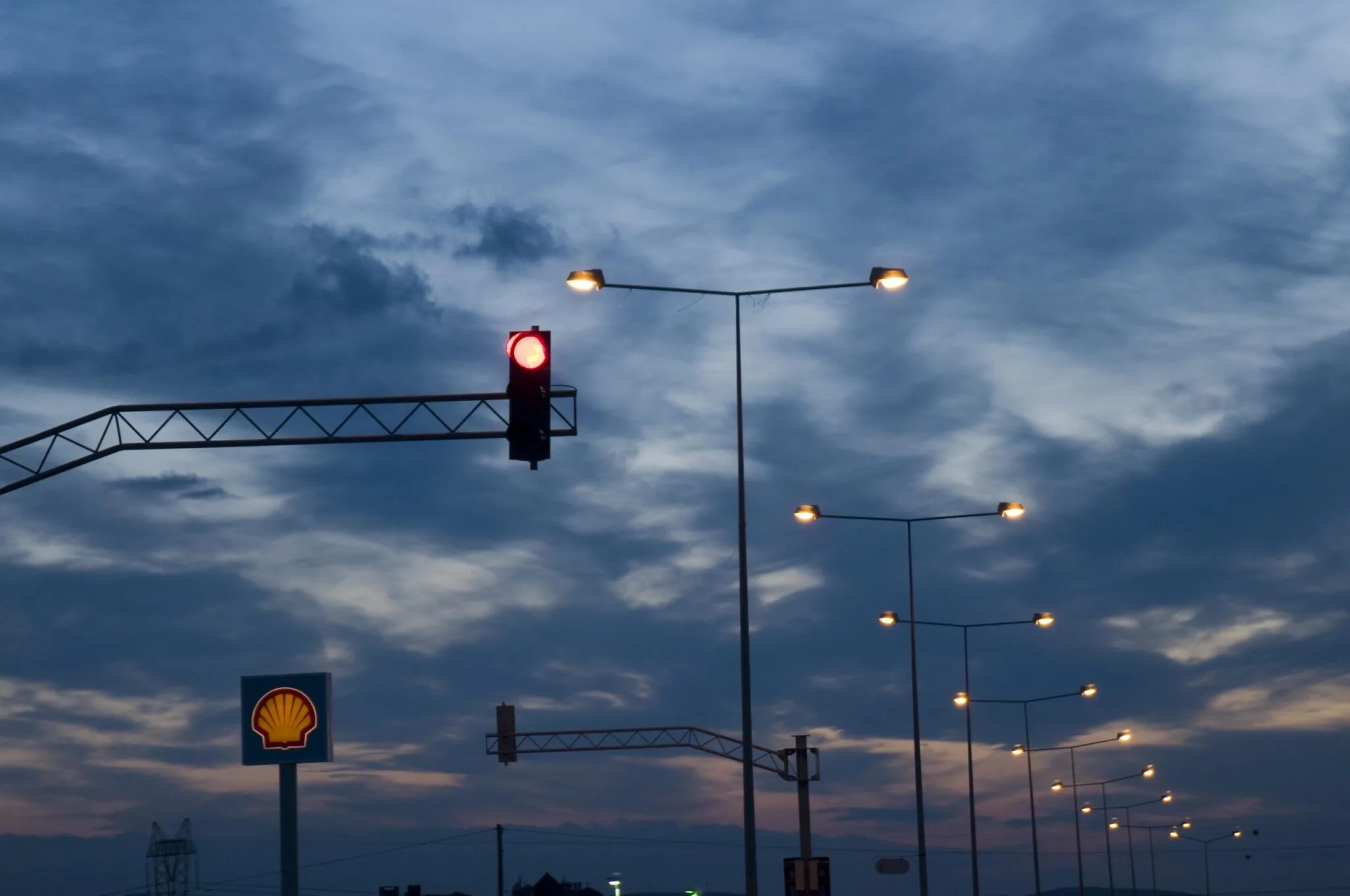
- 12m and Above (Boulevard/Highway Type): Used for wide boulevards, highways and intersections. Height is essential for homogeneous light distribution. Poles over 12 meters are usually produced in 2 pieces (telescopic fitting), but IES Galvaniz can also offer one-piece solutions with its special production capability.
B. Console (Armature Arm) Design
The console at the top of the pole determines the angle at which the light falls on the road.
- Number of Consoles: Single, Double (T Type or V Type) if you will illuminate both sides from the center of the median, Triple or Quadruple if you will illuminate 360 degrees from the intersection center.
- Console Angle: Standard angles of 5°, 10° or 15° are used. As the angle increases, the light travels farther (Throw), but the illuminance at the base of the pole decreases. For urban roads, 5-10 degrees is generally preferred.
- Design:The options of “Standard Console” bent only from pipe or “Decorative Console” with laser cut motifs should be evaluated according to the budget and prestige of the project.
C. Wind Load Zone Analysis (Static Calculation)
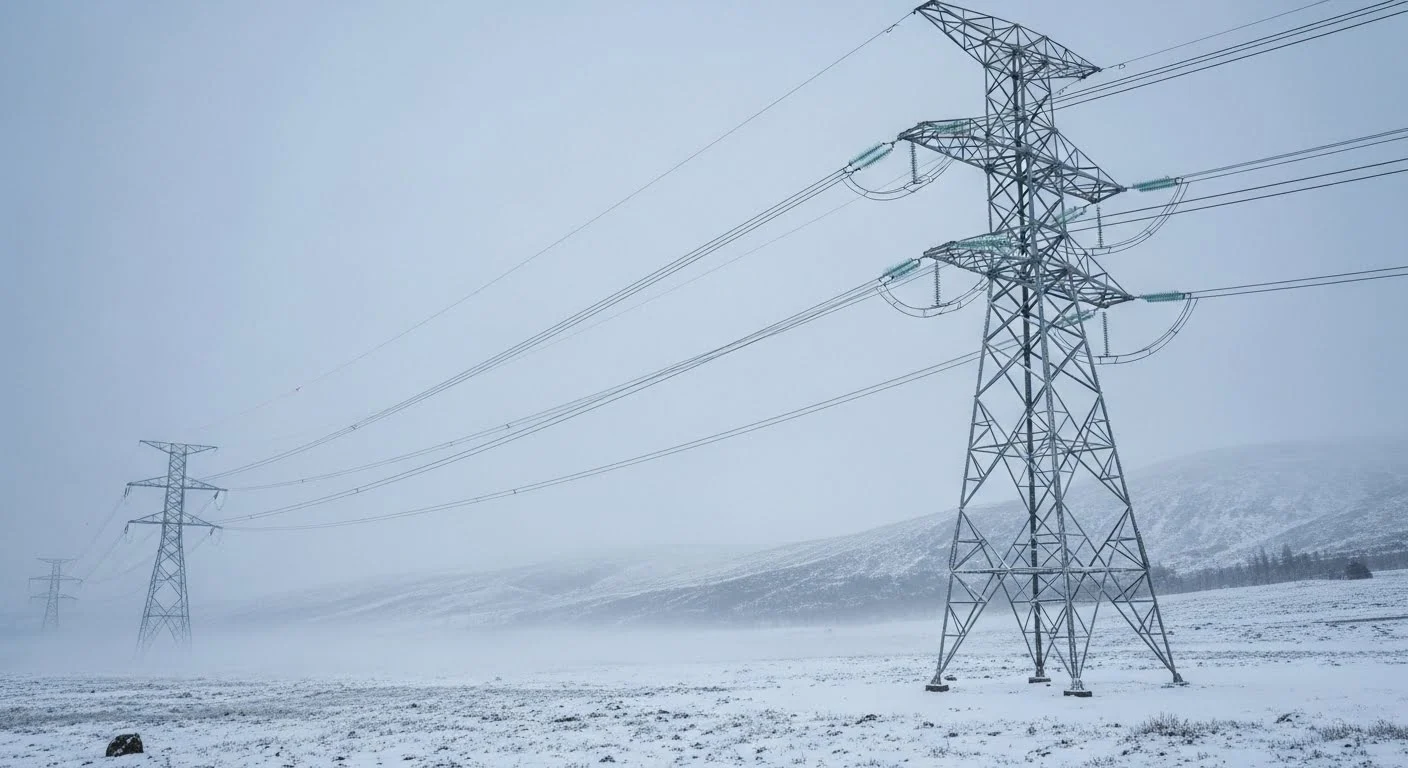
The geography of Turkey is divided into 3 main regions in terms of wind speed. The sheet thickness of a pole in Antalya (Zone I – 80 km/h wind) cannot be the same as a pole in Çanakkale or Erzurum (Zone III – 130 km/h wind).
- Risk:If you erect a Zone I pole in Zone III, the pole will topple in the first storm.
- Solution: IES Galvanized engineers determine the safest sheet thickness and base diameter by making static calculations according to the location of your project.
3. Compliance with TEDAŞ Specifications and Standards
Specifically for public projects and works to be transferred to electricity distribution companies (EDAŞ), TEDAŞ specifications (MYD/2006-052) are the law.
What is TEDAŞ Type Project Approval?
TEDAŞ has defined a standard “Type Project” for each pole size and wind zone. In this project, the top diameter, base diameter, sheet thickness, flange size and anchorage detail of the pole are fixed.
European Standards (EN 40) and CE Marking
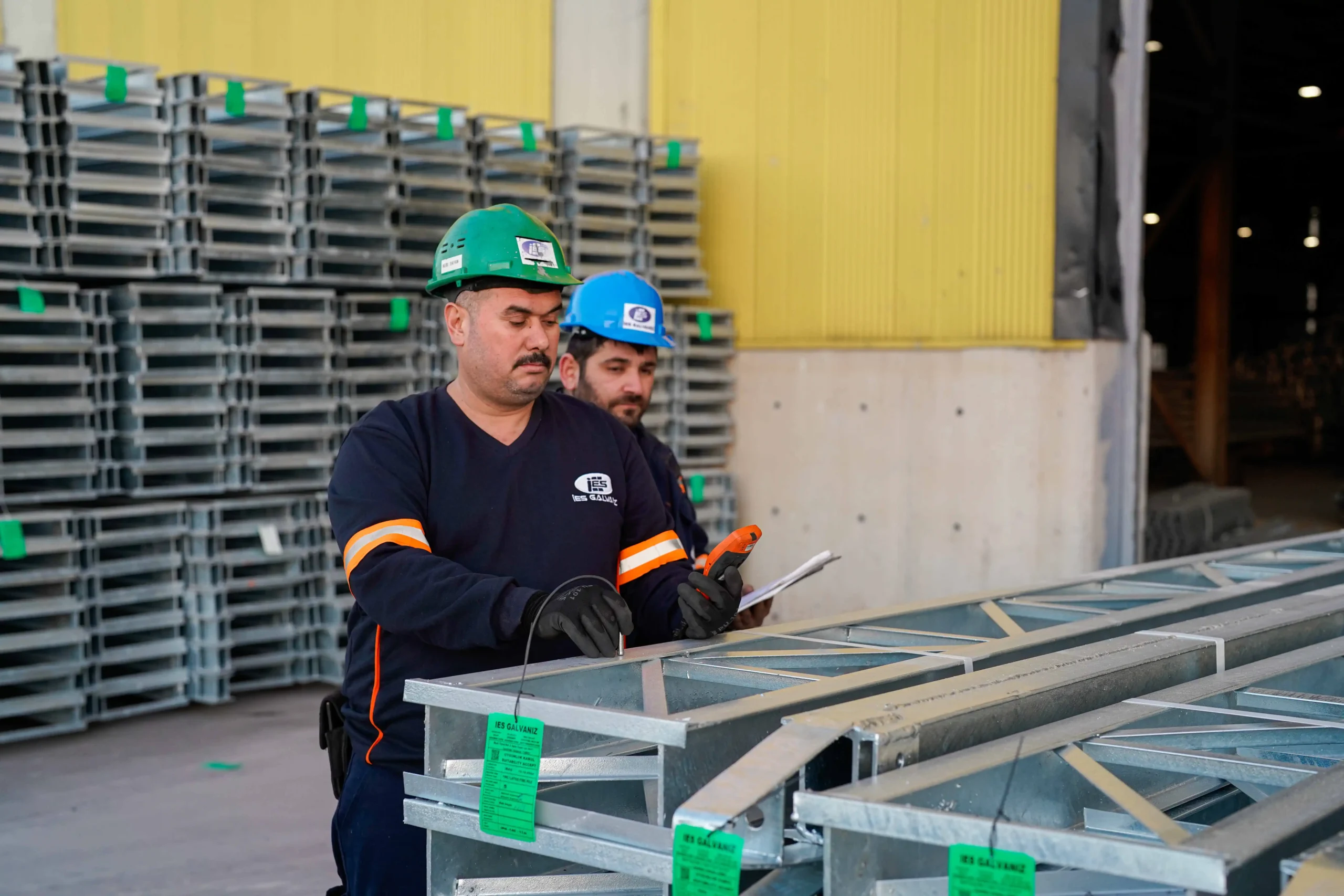
For export projects or local projects with EU funding, the TS EN 40-5 standard is required. This standard contains strict rules from material quality (S235/S355) to the quality of the weld seam and door details. IES Galvaniz is one of the few manufacturers authorized for CE marking and provides a Declaration of Performance (DoP) with the product.
Material Quality
A quality pole is born from quality steel. IES Galvaniz does not use uncertified (scrap/scrap) sheet metal. Only S235 JR or S355 JR quality steel plates purchased from Erdemir or equivalent certified producers enter production.
4. The Secret of Durability: Hot Dip Galvanization
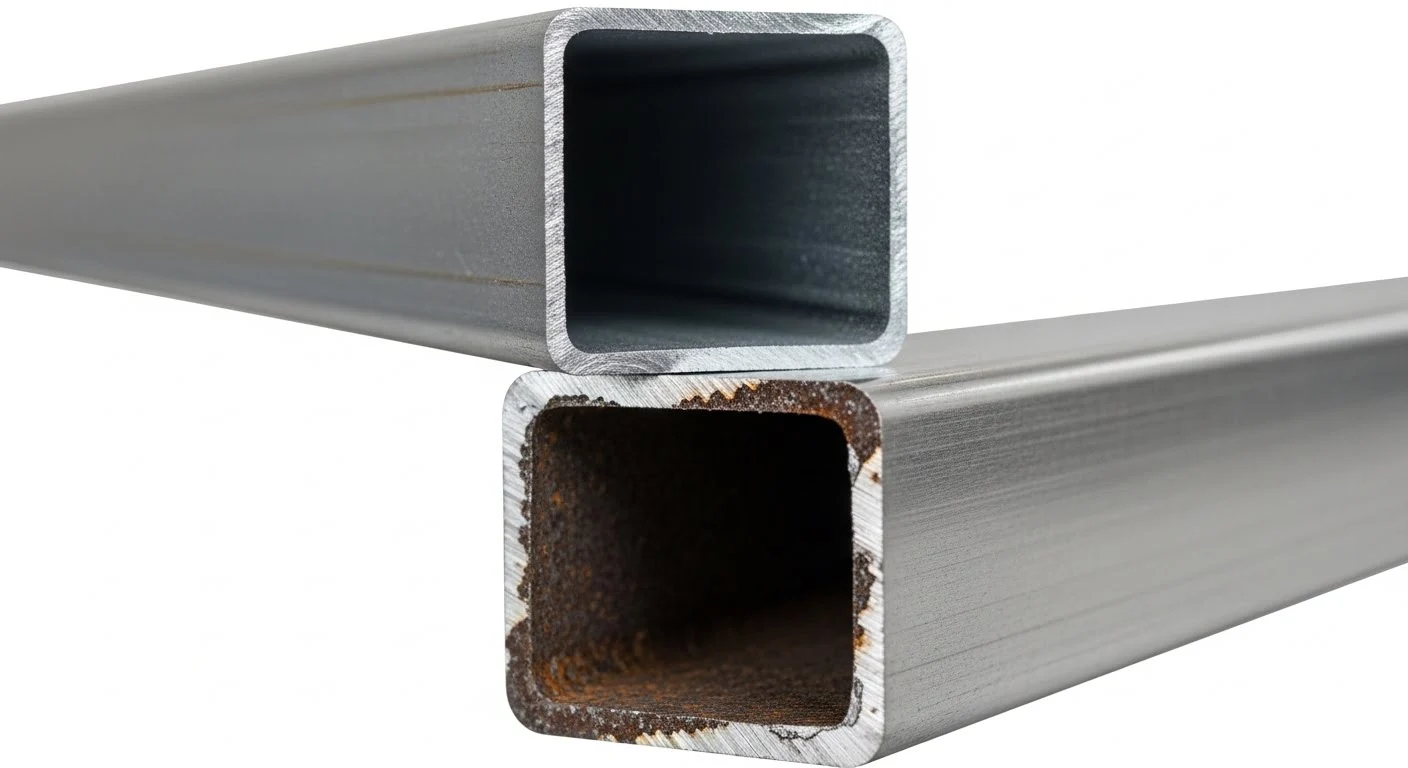
Poles in cities are exposed to exhaust gases, acid rain, dog urine and de-icing salts thrown on the roads in winter. In this environment, unprotected steel rots in 1-2 years. Paint flakes off in 3-4 years. The only sure solution: Hot Dip Galvanizing.
Coating in TS EN ISO 1461 Standards
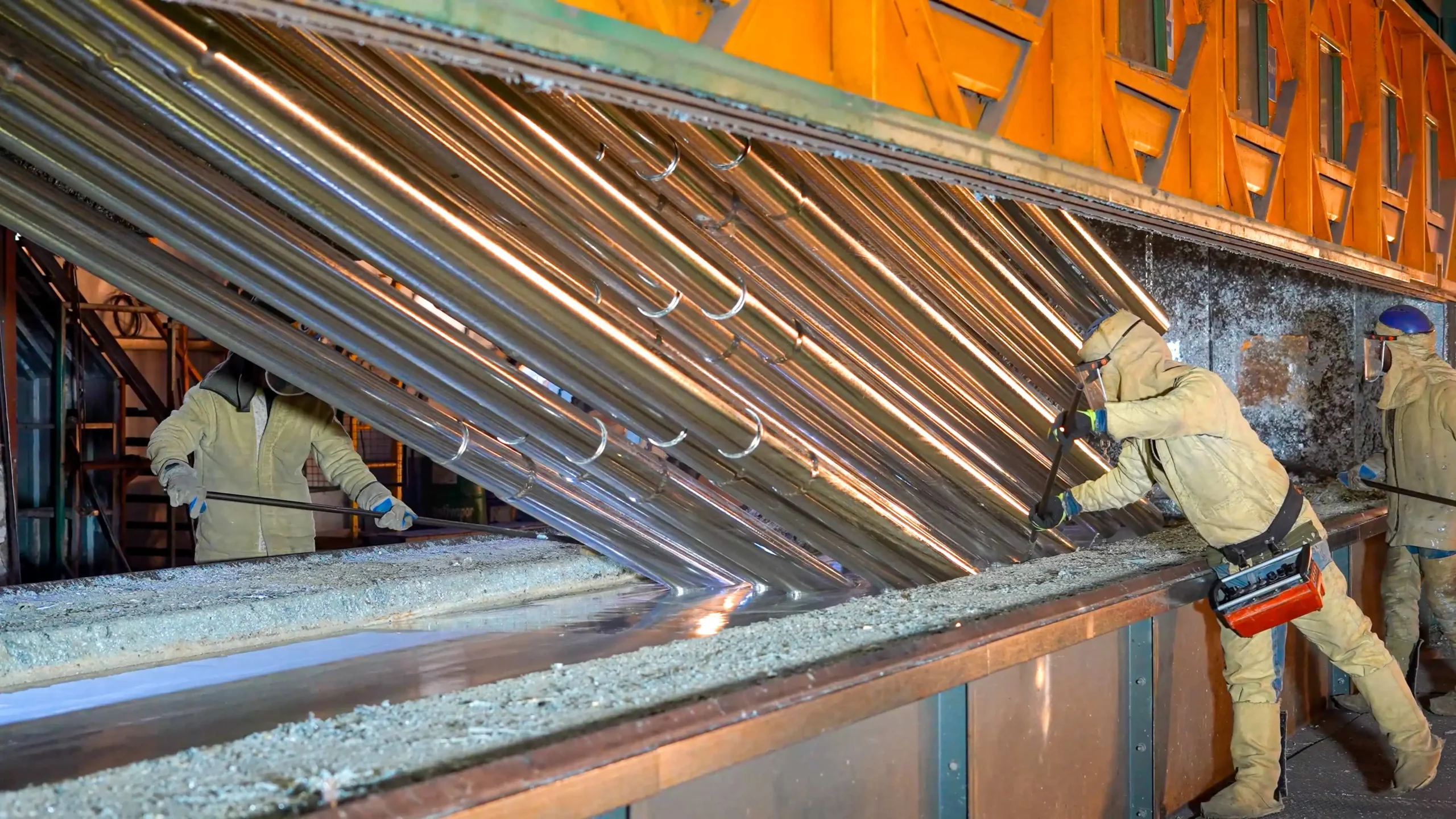
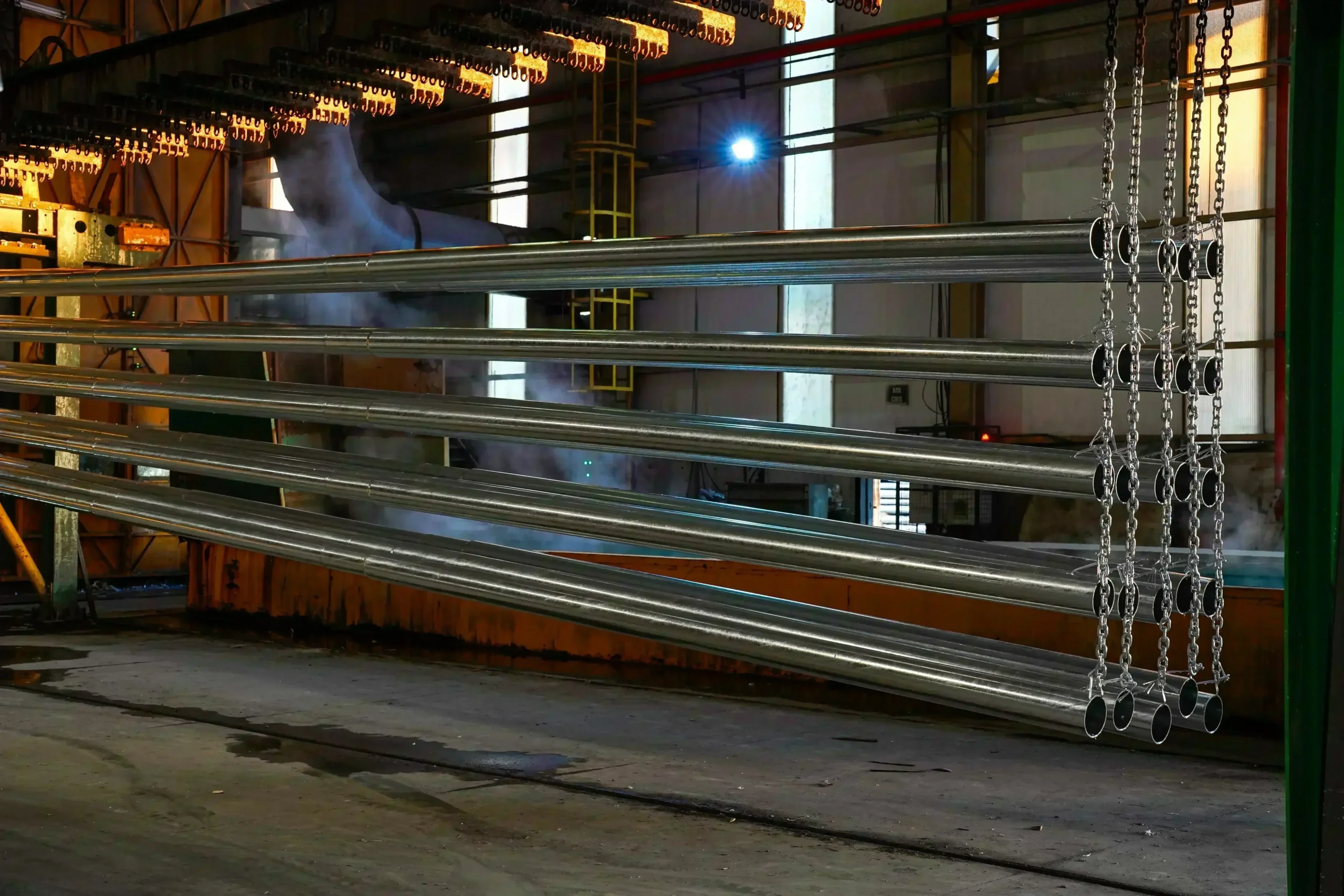
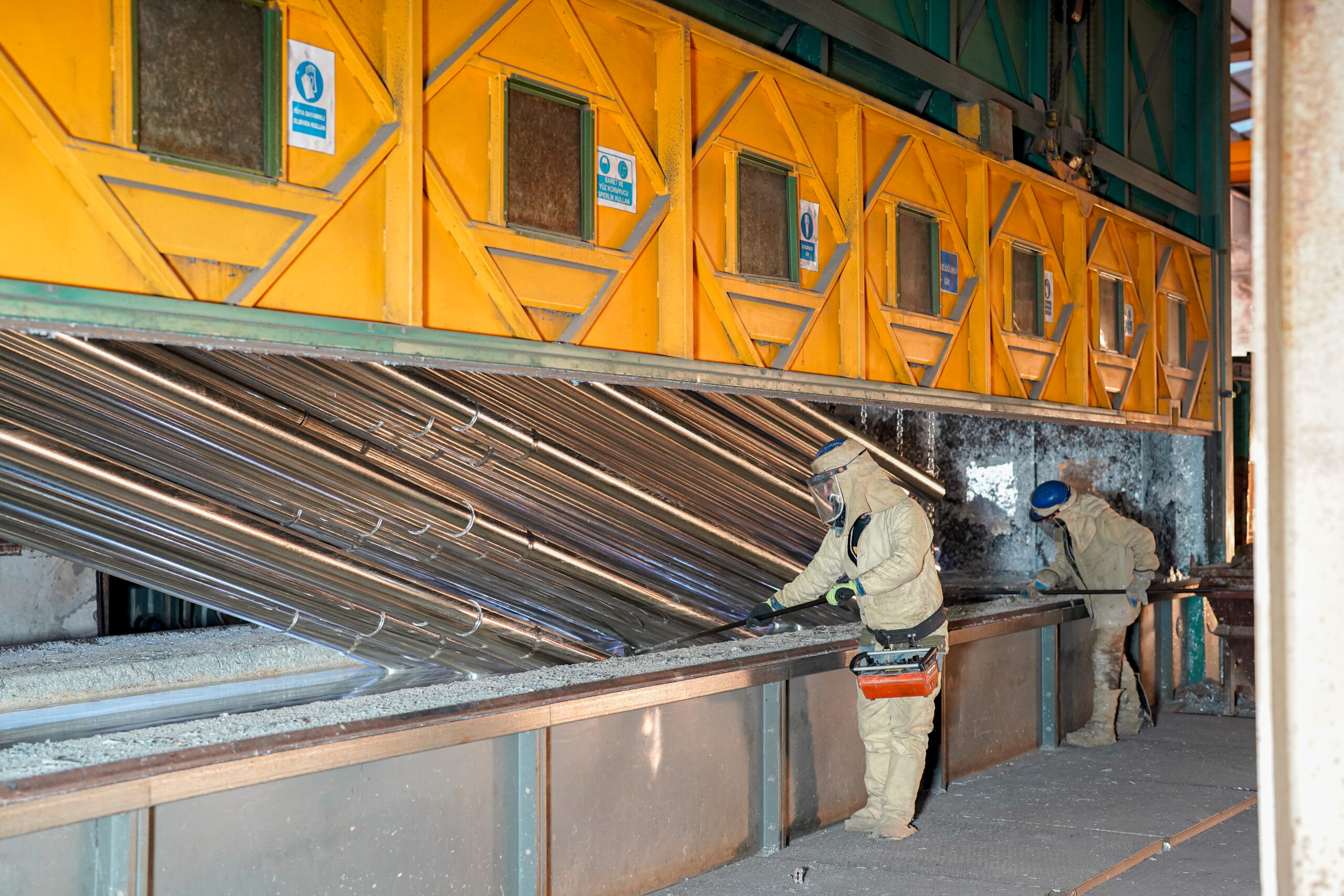
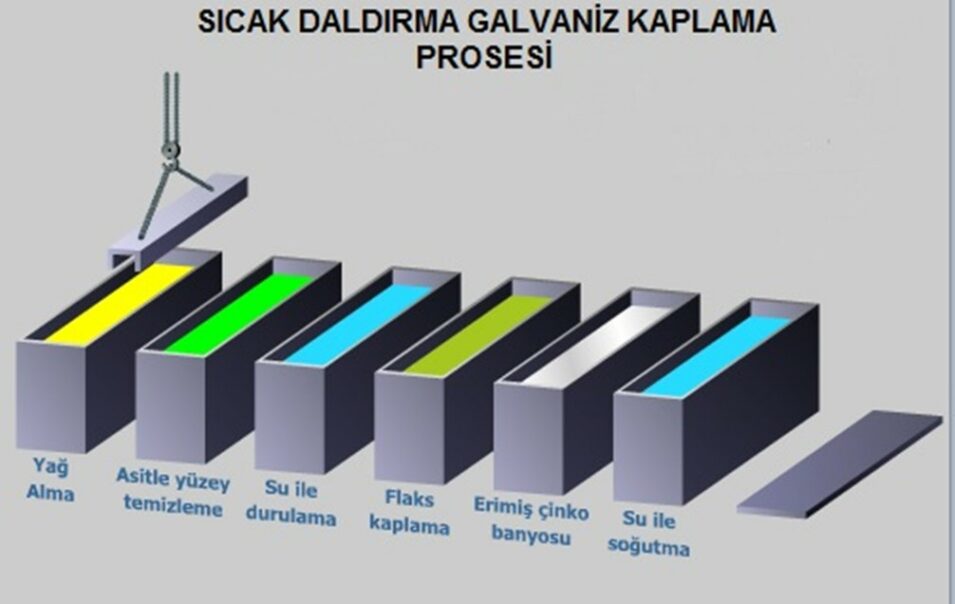
Each pole produced at IES Galvanizing facilities undergoes chemical cleaning after manufacturing and is dipped in a molten zinc pool at 450°C. This process allows steel and zinc to combine at the molecular level. The resulting coating is impact resistant and does not rust even if scratched, thanks to “Cathodic Protection”.
14 Meter One-Piece Immersion Advantage (Critical Point)
Many galvanizers in the market have a pool of 7-8 meters. To cover a 10- or 12-meter pole, they dip the pole first at one end and then at the other (Double Dip).
- Problem:This method leaves an ugly “splice mark” in the center of the pole. It also increases the risk of warping as the pole is heated twice.
- IES Galvanized Difference: Thanks to our 14 meter long galvanized boiler, we can coat even the tallest lighting poles at once (single dip). No seam marks, no color difference, no warping. We guarantee a smooth and aesthetic surface.
Polygon Lighting Pole Selection Guide
5. Manufacturing Technology: Sheet to Pole Conversion
Quality is in the details. IES Galvaniz’s production track is equipped with technologies to minimize errors.
CNC Cutting and Precision Bending
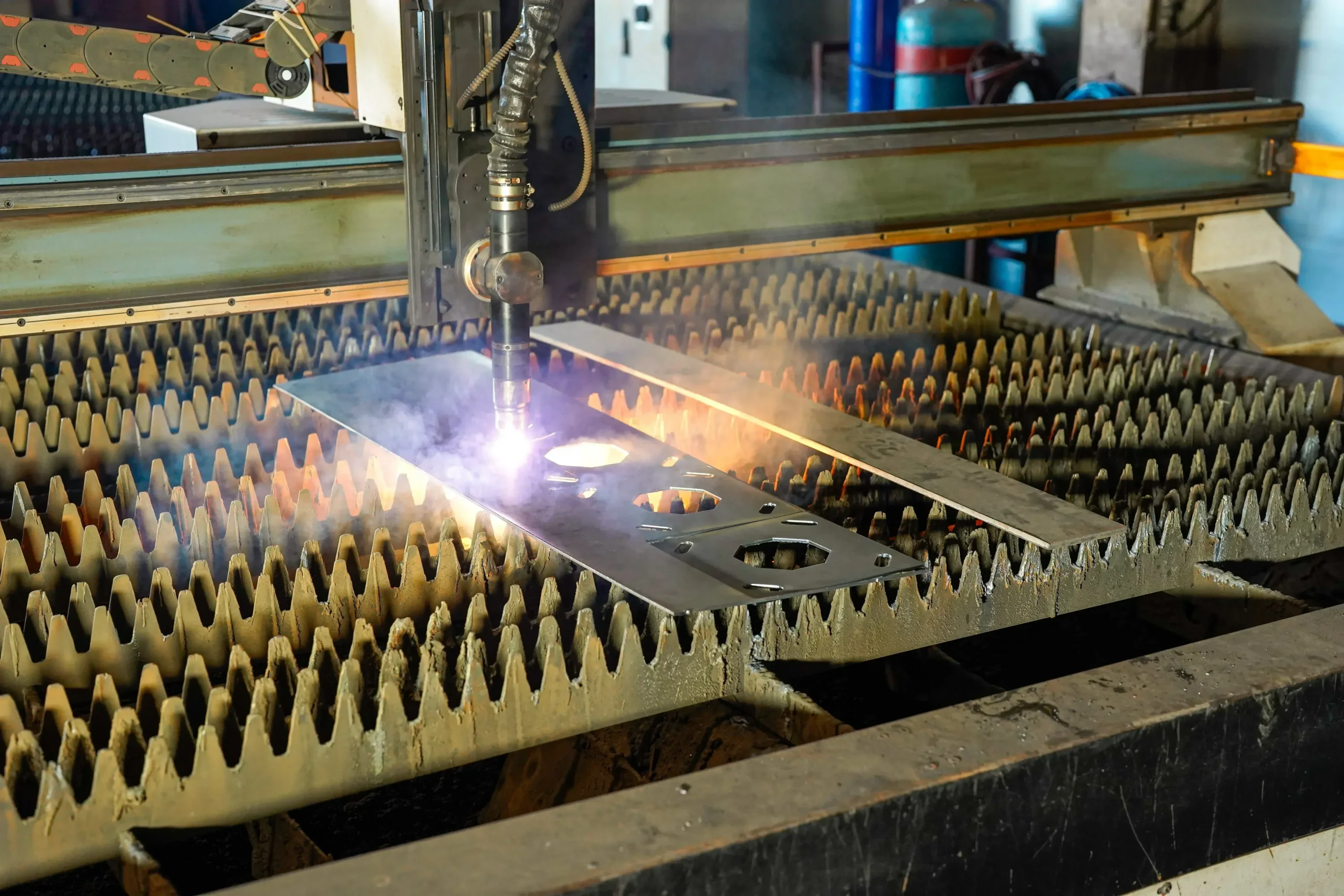
The body sheet of the poles is cut with millimeter precision on CNC plasma machines. It is then bent in high tonnage tandem press brakes. This precision ensures that the two ends of the pole kiss exactly when they meet and form a smooth polygonal shape.
Automatic Welding Technology
The most vulnerable part of the polygonal pole is the longitudinal welding seam. At IES Galvaniz, this process is not done manually, but with fully automatic submerged arc or gas welding robots. This ensures 100% weld penetration and an invisibly smooth seam. TEDAŞ and EN 40 standards stipulate this continuity.
Door and Insurance Details
The intervention cover on the pole body is often the most rusted and problematic part of the pole body.
- IES Solution:Our covers are produced by laser cutting in a flush fit to the body. The fuse automat rail and earthing stud are ready welded inside. The lid is sealed and does not absorb rainwater.
6. Smart Cities and Polygonal Poles
In the cities of the future, poles are not just lighting devices; they are the digital backbone of the city.
Multifunctional Use
The strong structure of polygonal poles allows additional loads to be placed on them.
- Integration: IES Galvaniz can custom design and manufacture poles to carry MOBESE cameras, Wi-Fi hotspot devices, air quality sensors or traffic signalization lamps upon request.
Aesthetic Paint Applications (Duplex System)
If your project is looking for corporate colors or a special aesthetic (e.g. black, anthracite gray or dark green), we apply Electrostatic Powder Coating or wet paint over galvanized. This “Duplex System” adds visual value to the city while increasing corrosion resistance by 1.5 – 2 times.
7. Installation and Anchoring (Foundation) Guide
Even the best quality pole will topple if installed incorrectly. The foundation (anchoring) phase is vital.
Anchor (J-Bolt) Assembly and Template Use
With your direct order we will send you an anchor set (studs, nuts, washers) and an assembly template.
- Warning: You must use this template when pouring concrete. The template ensures that the bolts coincide exactly with the holes in the base of the pole. In concrete poured without a template, the bolt axes shift and the pole cannot be installed.
Assembly Stages
- Foundation Preparation: Concrete base is poured in accordance with the project and anchors are placed.
- Pole Preparation:Luminaire and cable installation is done on the ground.
- Lifting:The pole is lifted with the help of a crane (using a cloth sling to avoid scratching the galvanizing).
- Fixing: The base plate is put on the anchors. Nuts are tightened with a torque wrench.
- Balance Adjustment:The plumb (verticality) of the pole is adjusted with the adjusting nuts under the nuts.
8. Frequently Asked Questions (FAQ)
- What do range pole prices vary according to?
The price is mainly determined by the weight of the pole (sheet thickness and length) and zinc costs. In addition, the type of console and special paint requests affect the price.
- TEDAŞ type poleWhat is the difference between “Market Work”
TEDAŞ poles must comply with the minimum sheet thickness and galvanization standard set by the government. In the so-called “market goods” products, thinner sheet metal and low quality galvanization are generally used. In terms of safety and lifetime, it is necessary to stick to TEDAŞ type.
- Can galvanized polesbe painted?
Yes, galvanized can be painted (Duplex System) and it is very durable. However, paint cannot be applied directly to the fresh galvanized surface; surface roughening or primer (wash primer) treatment is required first. IES Galvaniz offers this service professionally.
- What is the delivery time and how is shipping handled?
Thanks to our high capacity, we can deliver standard poles from stock or in a very short time. Thanks to the conical structure of the polygonal poles, we load the poles by telescoping them inside each other. In this way, 2-3 times more poles can fit on a truck and your transportation costs are reduced.
Balancing Aesthetics, Safety and Longevity
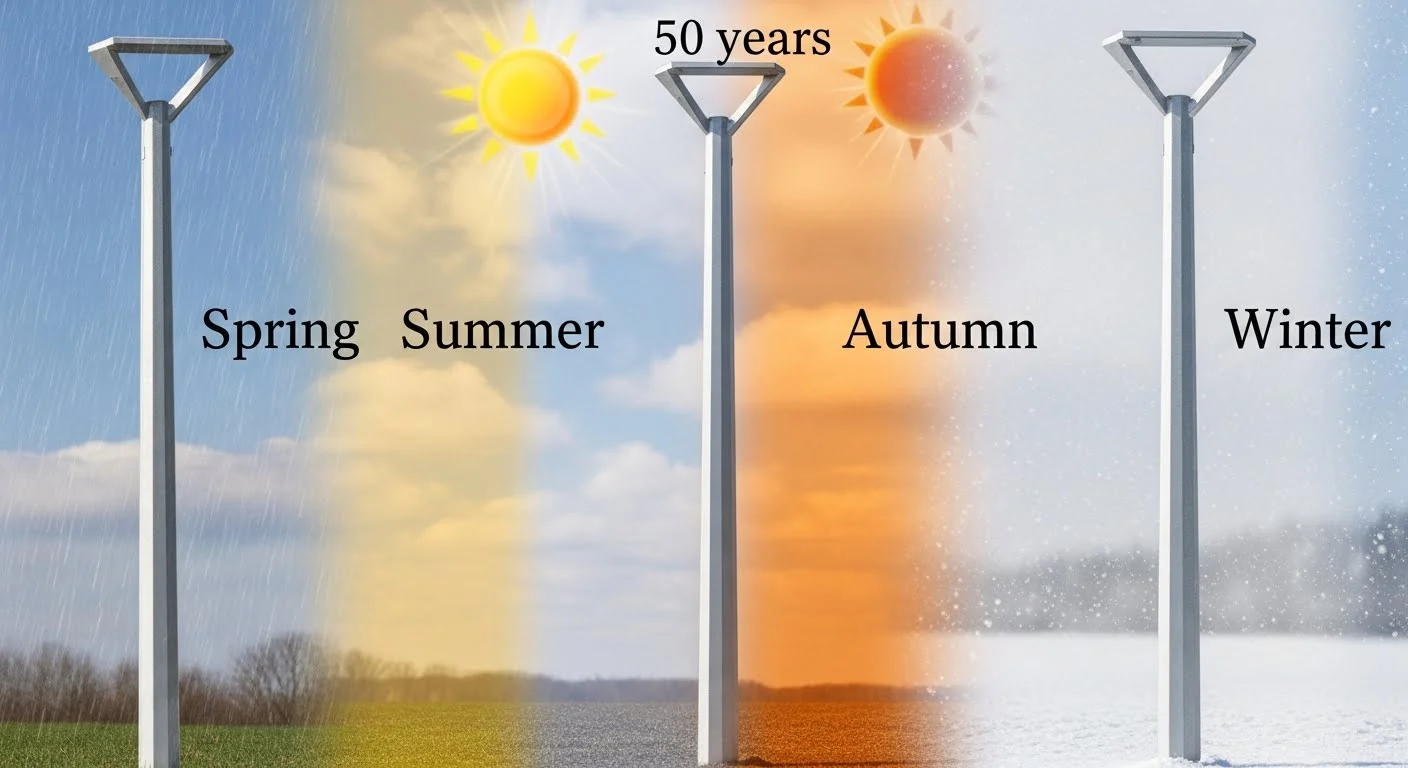
Choosing a lighting poleis a one-time investment that affects the city skyline for 30-40 years. Cheap and non-standard solutions are likely to result in corrosion, maintenance costs and safety risks in the short term.
İES Galvaniz offers solutions that will increase the value of your project with its 14-meter one-piece galvanized technology, TEDAŞ and EN 40 approved production and engineering know-how. Don’t take risks when lighting your city, trust the experts.
Get a Special Lighting PoleQuotation for Your Project.
Contact our technical teamand get support on wind load analysis and correct mast selection.